What is CNC Lathe and How Does It Benefit Your Business?
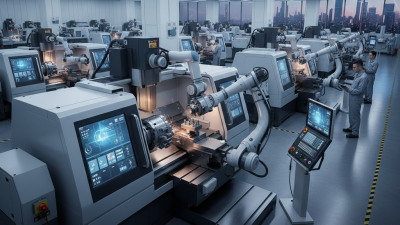
In today’s rapidly evolving manufacturing landscape, understanding the CNC lathe is crucial for businesses. This powerful machine tool has transformed how industries operate. It enhances precision and efficiency in producing intricate parts. Companies leveraging CNC lathes often notice significant improvements in productivity.
CNC lathes offer automation benefits that are hard to ignore. By reducing human error, they ensure consistent quality across products. However, implementing such technology is not without challenges. Businesses must consider initial costs and the need for operator training. These factors require serious reflection before making a commitment.
Still, the advantages often outweigh the drawbacks. Increased production speed and enhanced design capabilities can lead to higher profits. Investing in a CNC lathe may strengthen your competitive edge in the market. Embracing this technology demonstrates a commitment to quality and innovation.
Understanding CNC Lathe: Definition and Overview
CNC lathe refers to a computer numerical control lathe that automates machining processes. This technology changes how businesses approach manufacturing. According to a report by the International Federation of Robotics, CNC machines are expected to revolutionize production lines, leading to a 30% increase in efficiency.
Using CNC lathes offers precision and repeatability. Businesses can produce parts with a high degree of accuracy. A recent study indicated that CNC machining reduces errors in production by up to 50%. This reduction is vital for companies seeking to minimize waste and increase output.
Despite the advantages, there are challenges. Implementing CNC technology can require significant investment. Many small businesses struggle with the initial costs. Additionally, training staff to use CNC lathes efficiently takes time and resources. It is crucial for companies to weigh the benefits against these hurdles carefully.
CNC Lathe Benefits for Businesses
The Mechanism of CNC Lathes: How They Operate
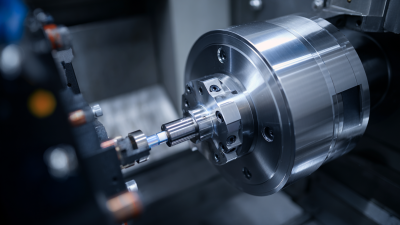
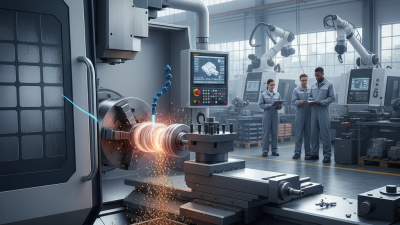
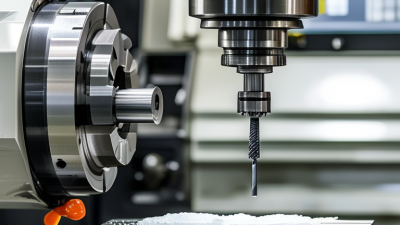
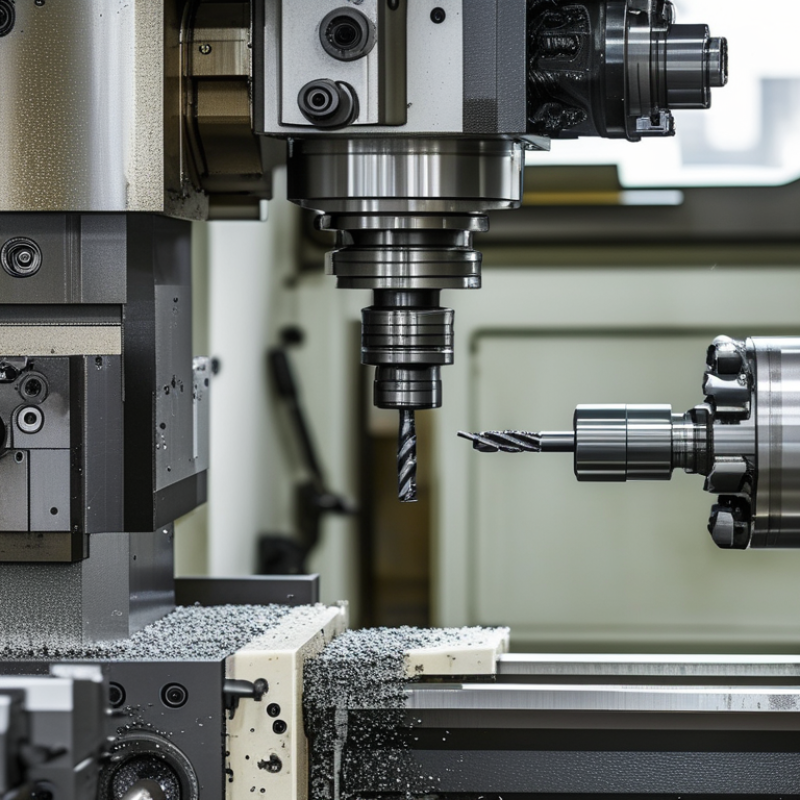
CNC lathes are pivotal in modern manufacturing. They automate the process of creating cylindrical parts with precision. These machines utilize a rotating workpiece and a stationary cutting tool. This combination allows for high-speed operations and intricate designs, improving production efficiency.
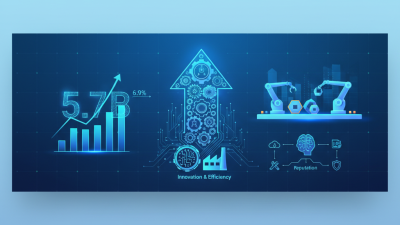
According to a report by the International Federation of Robotics, the market for CNC machinery is expected to grow by over 10% through 2025. This growth indicates a strong trend towards automation in manufacturing processes. The precision that CNC lathes offer reduces waste and increases material efficiency, thereby benefiting overall production costs. A study from the National Institute of Standards and Technology noted that companies using CNC technology saw a 30% decrease in operational time.
While CNC lathes provide numerous advantages, challenges remain. They require upfront investment and skilled operators for programming. The complexity of setup and maintenance can lead to errors. Regular training and updates are necessary to maximize the benefits of these advanced machines. As the industry evolves, adapting to new technologies and methodologies becomes crucial for maintaining competitiveness.
Key Benefits of CNC Lathes for Manufacturing Efficiency
CNC lathes are revolutionizing manufacturing efficiency. According to a report by the International Federation of Robotics, the use of CNC machinery has increased by over 30% in the past five years. This surge is mainly due to their ability to enhance production speed and precision.
One key benefit of CNC lathes is their automation capability. With automation, businesses can achieve consistently high-quality output. A study from the Manufacturing Institute reveals that companies utilizing CNC technology report a 20% reduction in production costs. However, implementing CNC systems requires significant upfront investment. Some businesses find this challenging and may hesitate to make the leap.
Additionally, CNC lathes minimize human error. A report from the Society of Manufacturing Engineers shows that CNC systems can reduce errors by as much as 90%. However, skilled operators are still essential for setup and maintenance. Companies need to ensure they have the right training in place. Investing in workforce development alongside technology is crucial for maximizing the benefits of CNC lathes.
What is CNC Lathe and How Does It Benefit Your Business? - Key Benefits of CNC Lathes for Manufacturing Efficiency
| Benefit |
Description |
Impact on Efficiency |
| Increased Precision |
CNC lathes offer high precision machining, reducing tolerances and ensuring better quality. |
Improved product quality leads to less rework and waste. |
| Automation |
CNC lathes automate the machining process, which reduces manual labor requirements. |
Decreased labor costs and increased production rates. |
| Flexibility |
They can be easily reprogrammed for different tasks, allowing for quick adjustments to production. |
Ability to adapt to market changes without significant downtime. |
| Reduced Lead Time |
CNC machining streamlines production processes, leading to faster project completion. |
Faster delivery times improve customer satisfaction and business opportunities. |
| Consistency |
CNC lathes ensure consistent quality across all produced items. |
Enhances brand reliability and customer trust. |
Cost Savings and ROI: CNC Lathe Impact on Your Business
CNC lathes provide substantial cost savings for businesses. They automate repetitive tasks, which reduces labor costs significantly. With precision machining, errors are minimized. This leads to less waste and better material utilization. The initial investment may seem high, but the return on investment is often rapid. Companies can recover costs quickly through production efficiency and reduced material expenses.
Using a CNC lathe can streamline operations. It enhances productivity by allowing multiple parts to be produced simultaneously. As various tools can be integrated into one machine, the setup time decreases. This versatility is particularly beneficial for businesses with diverse product lines. However, businesses must also consider the learning curve associated with operating these machines effectively. Investing in training is essential.
Maintaining your CNC lathe is key to longevity. Regular inspections can prevent costly downtime. Some businesses overlook the importance of maintenance schedules, which can lead to unexpected failures. Establishing a routine ensures consistent performance. Understanding the specific needs of your machine can help you avoid mistakes.
Industry Applications: Where CNC Lathes Make a Difference
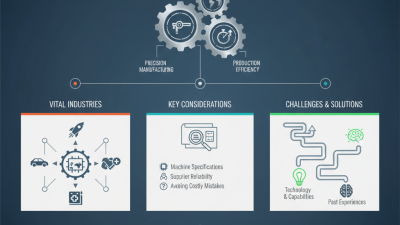
CNC lathes have revolutionized various industries by offering precise machining capabilities. They are particularly effective in manufacturing sectors like automotive and aerospace. These lathes create intricate parts quickly, which is vital in high-demand settings. For instance, in automotive manufacturing, CNC lathes produce engine components efficiently, ensuring tight tolerances that enhance performance and reliability.
In addition to automotive, CNC lathes are beneficial in medical device production. The healthcare industry demands high precision for surgical tools and implants. A slight deviation can lead to severe consequences. CNC lathes can produce complex shapes with consistent accuracy, crucial for the safety and effectiveness of medical instruments. However, this technology requires skilled operators to maintain quality standards, highlighting the need for ongoing training and reflection on best practices in manufacturing.
Moreover, the use of CNC lathes in electronics is growing. They can create compact components, meeting the industry’s push for smaller, more efficient devices. While automation through CNC technology offers numerous advantages, companies must remember that human oversight remains essential. There are often challenges in calibration and maintenance that can hinder productivity. Striking a balance between technology and human expertise is vital for optimizing the benefits of CNC lathes.