Why Choose a CNC Turning Machine for Precision Manufacturing?
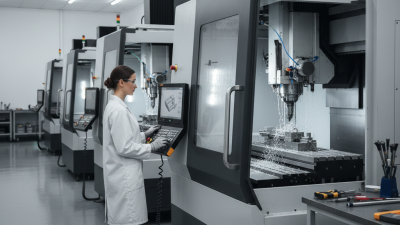
In today’s competitive manufacturing landscape, precision is paramount. A CNC turning machine serves as a key tool in achieving high accuracy and consistency. Known for its efficiency, this machine is crucial for producing complex parts with intricate designs. Its ability to operate with minimal human intervention reduces errors and production time.
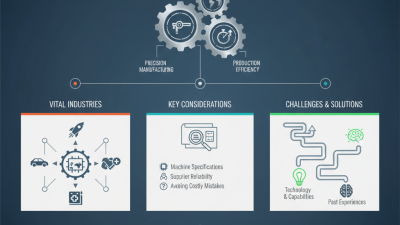
Technological advancements have enhanced the capabilities of CNC turning machines. They can now handle diverse materials, from metals to plastics, making them versatile in various industries. However, challenges remain. Understanding machine maintenance and operational limits can be daunting for new users. Proper training is vital to leverage the full potential of CNC turning machines and to avoid costly mistakes.
Choosing a CNC turning machine reflects a commitment to quality. The right machine can significantly elevate the standard of products, ensuring they meet exact specifications. However, investments in such technology should be approached with caution, as proper choice and management lead to long-term benefits.
Understanding CNC Turning Machines and Their Functionality
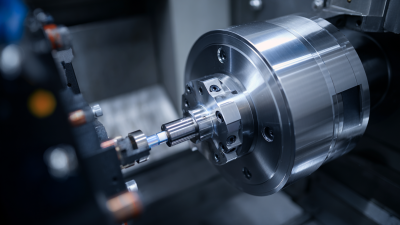
CNC turning machines are essential for precision manufacturing. They utilize computer numerical control to shape materials into precise components. This technology allows for high accuracy and repeatability in production.
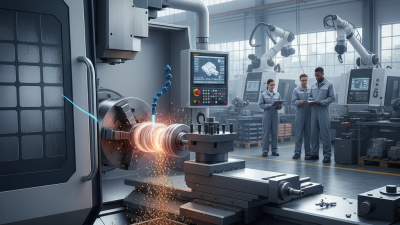
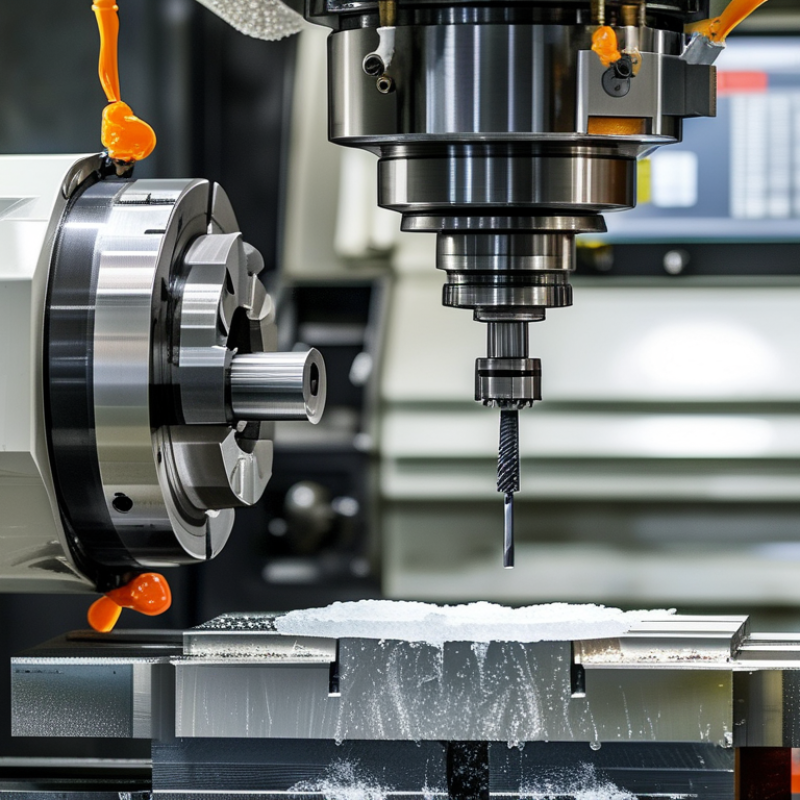
Understanding how CNC turning machines function is crucial. The machine rotates the workpiece against a cutting tool, shaping it into desired forms. This process can produce intricate designs that meet tight tolerances. However, programming these machines requires expertise. A simple mistake in input can lead to significant production errors.
Operators must be familiar with various materials and their properties. Different materials react differently during machining. Over time, one may notice variations in results, necessitating adjustments in operation. Continuous learning is vital to adapt to these challenges. Precision manufacturing often requires critical thinking to troubleshoot unexpected outcomes.
Key Advantages of CNC Turning in Precision Manufacturing
CNC turning machines are pivotal in precision manufacturing. They offer a high degree of accuracy, vital for industries such as aerospace and automotive. Reports show that manufacturers utilizing CNC technology see an average accuracy improvement of 25% over traditional machining methods. This precision minimizes waste and enhances production efficiency.
Another key advantage is the versatility of CNC turning machines. They can operate with various materials, including metals and plastics. A study published by the International Journal of Advanced Manufacturing Technology notes that CNC turning can handle complex geometries that traditional methods struggle with. This adaptability is essential as industries seek to innovate continuously.
However, reliance on CNC machines can pose challenges. High initial costs and the need for skilled operators are common obstacles. Training staff to utilize CNC technologies proficiently can be time-consuming. Manufacturers must weigh these considerations against the long-term benefits of enhanced precision and efficiency. Embracing CNC turning is a step toward sustainable and efficient manufacturing.
Comparison of CNC Turning with Other Machining Techniques
When considering CNC turning, it’s essential to understand how it stacks up against other machining techniques. CNC turning machines excel in producing cylindrical parts with high precision. Reports show that CNC lathes can achieve tolerances of ±0.001 inches, which is crucial for industries requiring detailed specifications, such as aerospace and automotive sectors.
In comparison, traditional milling or drilling methods may struggle to match this level of precision consistently. For example, studies indicate that while a CNC milling machine may achieve a tolerance of ±0.005 inches, it lacks the efficiency of CNC turning in handling repetitive tasks. This often leads to higher production costs and longer lead times. However, CNC milling offers its advantages in creating complex shapes that CNC turning cannot accomplish.
A point for reflection is that CNC turning, despite its advantages, may not be suitable for every application. Its focus on cylindrical parts limits its use in creating non-linear geometries. Additionally, the initial investment for CNC turning machines can be significant. This raises questions about long-term benefits versus short-term costs. Understanding these trade-offs is crucial for manufacturers aiming to optimize production workflows.
Why Choose a CNC Turning Machine for Precision Manufacturing? - Comparison of CNC Turning with Other Machining Techniques
| Machining Technique |
Accuracy (µm) |
Material Versatility |
Production Speed (items/hour) |
Setup Time (minutes) |
Cost Efficiency |
| CNC Turning |
5 |
High |
150 |
20 |
Very High |
| CNC Milling |
10 |
Moderate |
100 |
30 |
High |
| EDM (Electrical Discharge Machining) |
3 |
Low |
25 |
60 |
Moderate |
| 3D Printing |
50 |
High |
10 |
15 |
Low |
Applications of CNC Turning Machines in Various Industries
CNC turning machines play a vital role in various industries, thanks to their accuracy and versatility. They are essential in sectors like automotive, aerospace, and medical device manufacturing. In the automotive industry, for instance, CNC turning machines create precision components such as gears and shafts. These parts require exact dimensions to ensure reliable engine performance.
In aerospace, the production of lightweight yet sturdy components is crucial. CNC turning creates intricate parts with tight tolerances that contribute to aircraft safety and efficiency. Similarly, the medical device industry relies on CNC turning for producing components like surgical instruments and implants, where precision is non-negotiable.
Tip: When selecting a CNC turning machine, consider its capabilities and the materials you’ll use. Not all machines cater to every type of material. Assessing your specific needs helps in making an informed decision.
Utilizing CNC turning machines can also reveal areas for improvement in your production process. Consider the workflow and potential bottlenecks that might arise. Identifying these challenges is key to enhancing productivity and efficiency. Engaging in regular machine maintenance is necessary for optimal performance, yet it is often overlooked.
Future Trends in CNC Turning Technology and Precision Manufacturing
CNC turning technology is evolving rapidly, shaping the future of precision manufacturing. Advanced systems are now integrating artificial intelligence and machine learning. These innovations enhance efficiency and accuracy, enabling manufacturers to produce intricate designs with ease. The use of smart sensors is becoming more common, allowing for real-time monitoring of production quality.
Tips: Regular maintenance of your CNC machine improves longevity and ensures consistent output. Keep software updated to utilize the latest features.
However, the journey is not without challenges. Implementing new technologies can involve a steep learning curve. Skilled operators are essential to maximize the benefits of these advancements. Companies may struggle to find the right talent. Investing in training programs can help bridge this gap, fostering expertise within the workforce.
In future trends, sustainable practices are gaining traction. Eco-friendly materials and energy-efficient machines are on the rise. This shift not only addresses environmental concerns but also appeals to consumers. Adapting to these changes is crucial for staying competitive in the market.
Tips: Consider collaborating with tech experts to explore sustainable solutions. Join industry forums to share experiences and learn from peers.