How to Choose the Right VMC Machine for Your Business?
Choosing the right vmc machine can shape your production speed, consistency, and long-term operating costs. The decision reaches beyond spindle power or a low purchase price. It requires a clear understanding of your parts, materials, tolerances, batch sizes, and available floor space.
A practical evaluation starts with the workpiece. Aluminum components may need high spindle speeds, while hardened steel often demands stronger torque and controlled cutting. Check the machine’s X, Y, and Z travel against your largest fixture and expected tool access. A compact model may fit your workshop, but limited travel can restrict future orders. It happens more often than many buyers expect.
Accuracy matters, but repeatability matters every day. Review positioning data, thermal control, machine rigidity, and inspection methods from the manufacturer. Ask for sample components, cutting demonstrations, and references from businesses with similar workloads. Specifications can mislead. Real production evidence usually speaks more clearly.
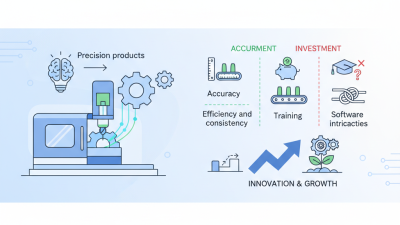
Consider the complete ownership experience. Reliable service engineers, accessible spare parts, operator training, and compatible controls can protect your investment after installation. Calculate tooling, coolant, electricity, maintenance, and programming costs before approving the budget. A cheaper machine may become expensive when downtime interrupts delivery schedules.
There is no perfect choice.
The best vmc machine matches your current work while leaving sensible room for growth. This guide examines the key selection criteria, common purchasing mistakes, and practical questions to ask suppliers. It also encourages careful reflection: sometimes, buying more capacity solves tomorrow’s problem while creating today’s financial burden.
Understanding VMC Machines and Their Core Functions
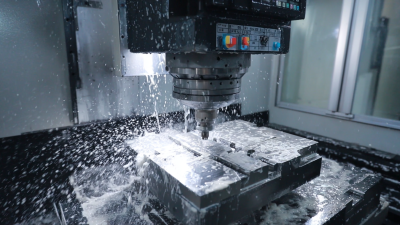
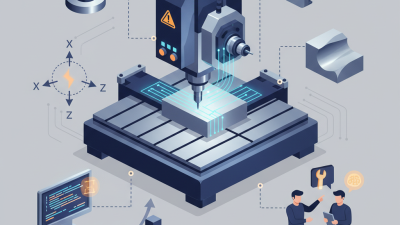
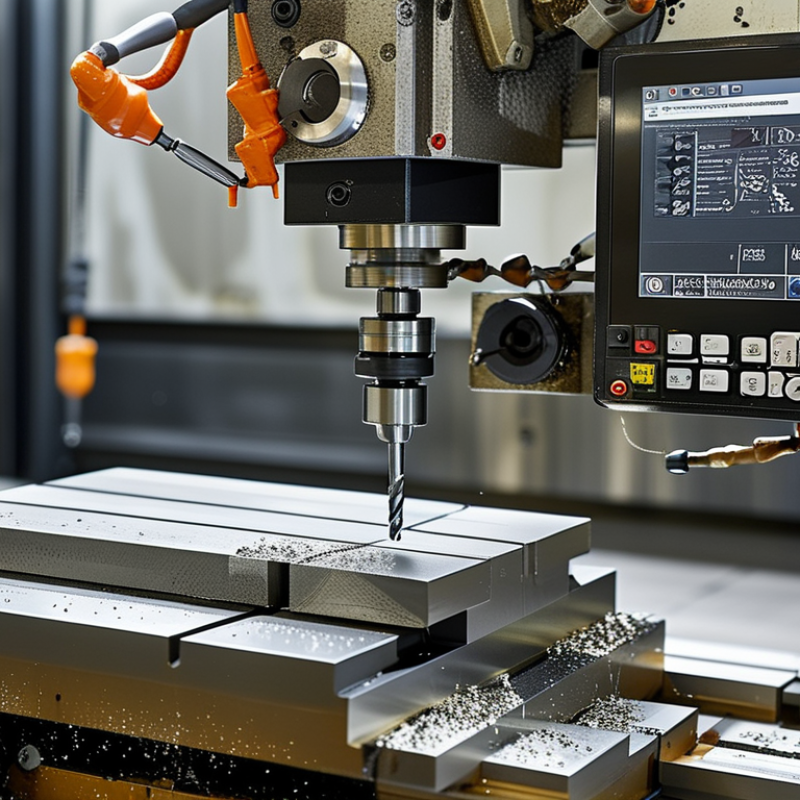
A vertical machining center (VMC) is a CNC machine with a vertically positioned spindle. It removes material from metal, plastic, or other suitable workpieces. Its spindle rotates cutting tools at controlled speeds. The cutting tool moves along programmed X, Y, and Z axes. A three-axis VMC handles many plates, brackets, and housings. Rotary attachments can support more complex parts. These functions form the machine’s working foundation.
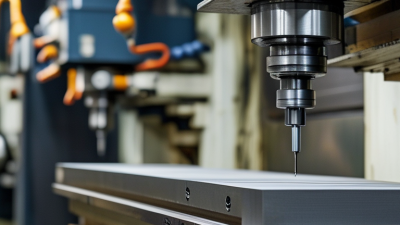
Choosing a VMC requires matching its abilities to your daily parts. A shop producing small aluminum brackets may need high spindle speed and quick tool changes. A steel component may require stronger cutting power, rigidity, and stable coolant flow. Check the table size, travel range, spindle taper, tool capacity, and positioning accuracy. Production volume matters too. A faster spindle is not always better. It may increase heat, maintenance, and operating costs.
From practical machine evaluations, chip control often receives too little attention. Inspect the enclosure, coolant system, chip conveyor, and access around the table. Ask how quickly operators can load a heavy fixture. Review service response, training, electrical requirements, and spare-part availability. Do not judge a VMC by specifications alone. One machine may look impressive but fit poorly in a crowded workshop. I would also test a sample part, because theoretical accuracy can change with tooling, setup, and operator habits.
How to Choose the Right VMC Machine for Your Business?
Understanding VMC Machines and Their Core Functions
Spindle-speed requirements vary by workpiece material. Aluminum commonly benefits from higher spindle speeds, while steel, cast iron, and titanium generally require lower speeds to control heat, tool wear, and cutting stability. These representative operating ranges can help businesses compare VMC configurations before reviewing spindle power, axis travel, worktable size, tool capacity, and automation needs.
Data shown in revolutions per minute (RPM). Actual values depend on cutter diameter, cutting tool, operation type, material grade, and manufacturer recommendations.
Comparing VMC Specifications, Features, and Machine Types
Choosing the right VMC machine starts with matching specifications to your actual production needs. A larger work envelope is useful, but extra capacity can increase purchase and operating costs. Measure your largest workpiece, fixture, and tool clearance before comparing models. Check X, Y, and Z travel carefully. Do not rely only on advertised table size.
Spindle speed, torque, and power should match the materials you machine. Aluminum may benefit from higher speed, while steel often needs stronger low-speed torque. A 3-axis VMC suits many flat parts and general milling work. A 4-axis machine can reduce repositioning and improve access around a component. A 5-axis model handles complex surfaces, but programming and operator training become more demanding. More capability is not always better.
Compare the automatic tool changer, control system, coolant delivery, chip removal, and probing options. A fast tool changer matters in high-volume work, while a rigid spindle and stable structure matter more during heavy cuts. In daily use, poor chip evacuation can cause interruptions, even when the machine looks impressive on paper. I would also inspect sample cuts, surface finishes, and repeatability under realistic loads. Specifications can be accurate, yet production results may differ. That is where I have sometimes misjudged a machine. Ask for maintenance records, service response details, and a live demonstration using your material. A short test can reveal vibration, awkward access, or programming problems before installation.
How to Choose the Right VMC Machine for Your Business? - Comparing VMC Specifications, Features, and Machine Types
| Comparison Dimension |
Compact 3-Axis VMC |
Standard 3-Axis VMC |
4-Axis VMC |
5-Axis VMC |
| Primary Application |
Small parts, prototypes, repair work, and limited production |
General production, molds, fixtures, and medium-sized components |
Indexing work, rotary features, and multiple-sided components |
Complex contoured parts, aerospace components, and reduced-setup machining |
| Typical Axis Configuration |
X, Y, Z linear axes |
X, Y, Z linear axes |
X, Y, Z plus one rotary axis |
Three linear axes plus two rotary axes |
| Typical X-Axis Travel |
300–600 mm |
500–1,000 mm |
500–900 mm |
400–800 mm |
| Typical Y-Axis Travel |
250–400 mm |
350–600 mm |
350–550 mm |
350–650 mm |
| Typical Z-Axis Travel |
300–450 mm |
400–650 mm |
400–600 mm |
350–600 mm |
| Typical Spindle Speed |
8,000–15,000 rpm |
8,000–15,000 rpm |
8,000–18,000 rpm |
12,000–24,000 rpm |
| Typical Spindle Power |
5.5–11 kW |
7.5–18.5 kW |
7.5–18.5 kW |
11–30 kW |
| Typical Worktable Size |
600 × 300 to 800 × 400 mm |
800 × 400 to 1,300 × 600 mm |
800 × 400 to 1,200 × 500 mm |
500 × 400 to 1,000 × 600 mm |
| Typical Table Load |
150–400 kg |
400–1,000 kg |
400–800 kg, depending on rotary equipment |
200–800 kg, depending on trunnion design |
| Typical Tool Magazine Capacity |
12–20 tools |
16–30 tools |
20–40 tools |
20–60 tools |
| Rapid Traverse Range |
20–36 m/min |
24–40 m/min |
24–40 m/min |
30–60 m/min |
| Positioning Accuracy |
Approximately ±0.005–0.010 mm |
Approximately ±0.005–0.010 mm |
Approximately ±0.005–0.010 mm on linear axes |
Approximately ±0.005–0.010 mm on linear axes; rotary accuracy varies |
| Main Productivity Advantage |
Lower space and utility requirements |
Balanced cost, capacity, and versatility |
Fewer repositioning operations for multi-sided parts |
Fewer setups and improved access to complex surfaces |
| Key Limitation |
Limited work envelope and lower heavy-cutting capacity |
Requires additional setups for complex multi-sided parts |
Higher purchase and programming complexity than 3-axis machines |
Highest acquisition, programming, and operator training requirements |
| Best Fit for Business |
Startups, job shops, education, and low-volume work |
Most general-purpose machining businesses |
Businesses producing parts with repeated rotary or indexed features |
High-value, complex components where setup reduction improves margins |
Note: The specifications shown are typical industry ranges for comparison only. Actual capabilities vary according to machine configuration, options, workholding, control system, tooling, and operating conditions.
Evaluating Costs, Maintenance, Support, and Workplace Needs
Choosing a VMC machine starts with total ownership cost, not the purchase quote.
Include tooling, installation, training, energy, software, and planned downtime. A cheaper machine may become expensive when replacement parts require long shipping times.
The U.S. Department of Energy reports that industrial motor systems can represent more than 20% of a facility’s electricity use. Therefore, spindle efficiency and standby consumption deserve measurement, not assumptions.
Maintenance access affects daily productivity. Ask whether operators can reach filters, lubrication points, and control cabinets safely.
Review preventive maintenance intervals, service response times, spare-parts availability, and remote diagnostic options. Plant Engineering’s 2023 Maintenance Study identifies preventive maintenance as a major maintenance strategy across industrial facilities.
However, maintenance data can look better than reality. A clean spreadsheet does not guarantee a clean machine.
Workplace needs also shape the correct specification. The Manufacturing Institute and Deloitte projected that U.S. manufacturing could face 3.8 million unfilled jobs by 2033.
Simple controls, clear alarms, ergonomic loading height, and practical operator training can reduce dependence on scarce specialists.
Test the machine with your actual material and programs.
A showroom demonstration is not enough. Measure cycle time, chip evacuation, noise, access, and setup difficulty.
I would also reserve a small budget for overlooked items, because early estimates are rarely perfect.
Support quality should be judged through written service-level commitments, technician coverage, and documented escalation procedures.
Selecting the Best VMC Machine for Long-Term Business Value
Selecting a VMC for long-term value requires more than comparing purchase prices. Grand View Research valued the global CNC machine market at about $83.93 billion in 2022 and forecast a 10.3% annual growth rate through 2030. That growth increases equipment choices, but it also makes weak specifications easier to hide. In my experience, buyers should examine spindle power, tool-change time, positioning accuracy, and service response before signing an order.
The cheapest quote lies. Sometimes.
A machine producing 4,000 hours yearly can lose substantial revenue through minor stoppages. A 15% availability gap equals 600 lost production hours. Measure expected uptime, preventive-maintenance intervals, and average repair time with written evidence. ISO 230-2 testing can help verify positioning performance, while sample cutting tests reveal vibration, heat behavior, and surface consistency. These checks cost time, but rushed testing costs more later.
Deloitte’s smart manufacturing research reported that 86% of manufacturing executives viewed smart manufacturing as a major competitiveness driver within five years. Therefore, select a VMC that can support tool monitoring, production data collection, and future automation. Do not buy every digital option. Match each feature to a measurable problem, such as oversized scrap rates or unattended night shifts. I would also calculate total ownership cost across ten years, including electricity, tooling, software, training, maintenance, and downtime. Energy data deserves attention; the most productive machine may not be the most efficient one. A spreadsheet can expose that uncomfortable difference.