2026 Fast CNC Machining Trends Every Buyer Should Know?
As the manufacturing landscape continues to evolve, fast CNC machining emerges as a pivotal technology for industries seeking efficiency and precision. In 2026, buyers must stay informed about the latest trends shaping this field. Speed and accuracy are paramount, influencing decisions from design to production.
Rapid advancements in CNC technology promise enhanced performance. New software and automation techniques allow for quicker setups and reduced lead times. This shift is not without challenges; suppliers must balance speed with quality control. Real-world applications showcase the importance of maintaining standards while pushing for faster outputs.
While the benefits of fast CNC machining are evident, there are still considerations to address. Buyers should reflect on their specific needs and capabilities. Understanding the nuances of these trends will empower businesses to make informed choices, maximizing advantages in a competitive market.
Future Directions in CNC Machining: Innovations for 2026
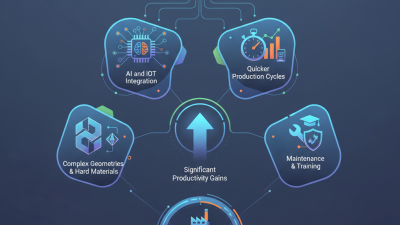
CNC machining is evolving rapidly. By 2026, innovations will shape the landscape significantly. Industry reports suggest that automation in machining will rise by 30%. This trend underlines the need for enhanced efficiency and precision. Automation reduces human error, yet it raises questions about workforce displacement.
Another trend is the integration of artificial intelligence. Forecasts indicate that AI will increase operational efficiency by 25%. Smart algorithms can analyze production data in real time. However, reliance on AI raises concerns about data security and system vulnerabilities. Companies must ensure robust cybersecurity measures as they adopt these technologies.
Sustainability is becoming vital. By 2026, up to 40% of manufacturers will prioritize eco-friendly practices. Trends suggest a shift toward biodegradable materials and energy-efficient processes. While these changes are commendable, they pose challenges. Transitioning to sustainable practices demands investment and an overhaul of traditional machining methods. The industry is at a critical point, facing both opportunities and obstacles.
2026 Fast CNC Machining Trends Every Buyer Should Know
| Trend |
Description |
Impact |
Implementation Timeframe |
| Automation and Robotics |
Increased integration of automation and robotics for improved precision and efficiency. |
Higher productivity and reduced labor costs. |
2024-2026 |
| Advanced Materials |
Utilization of lightweight and high-strength materials for better performance. |
Enhanced durability and fuel efficiency in industries like aerospace. |
2023-2026 |
| AI and Machine Learning |
Implementation of AI algorithms for predictive maintenance and optimization of machining processes. |
Reduced downtime and improved operational efficiency. |
2025-2026 |
| Sustainability Practices |
Increased focus on eco-friendly practices and sustainable sourcing of materials. |
Compliance with regulations and enhanced brand reputation. |
2024-2026 |
| Digital Twins |
Creation of digital replicas of physical assets to monitor performance in real-time. |
Improved decision-making based on data insights. |
2025-2026 |
Key Technologies Driving CNC Machining Trends in 2026
The landscape of CNC machining is evolving rapidly as we approach 2026. Key technologies are steering this shift, enhancing efficiency and precision in manufacturing. One major trend is the integration of artificial intelligence (AI). AI aids in predicting tool wear and optimizing machining processes, allowing manufacturers to mitigate downtime. It’s notable to consider how these systems can malfunction or misinterpret data, leading to unexpected errors.
Additive manufacturing is also gaining traction. This technique complements traditional CNC processes by enabling rapid prototyping and complex designs. Combine this with advanced materials like carbon fiber and titanium, and the possibilities expand significantly. However, the challenge remains in understanding material behavior during both CNC and additive processes. Manufacturers must carefully study these interactions to avoid potential weaknesses in the final product.
Moreover, the rise of IoT (Internet of Things) technology is reshaping machine connectivity. This allows for real-time monitoring of equipment performance, improving preventive maintenance. Yet, it also raises concerns about data security and the need for robust cybersecurity measures. As businesses embrace these technologies, they must navigate the delicate balance between innovation and reliability.
Increasing Automation in CNC Operations: What Buyers Should Expect
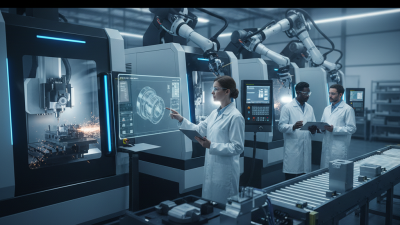
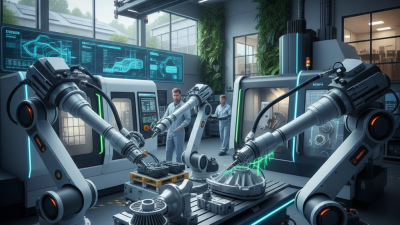
The rise of automation in CNC operations is reshaping the industry landscape. Buyers can expect a shift towards advanced machinery that reduces human errors and enhances precision. Automation integrates seamlessly into production lines, improving efficiency significantly. Robots and AI-driven systems are now commonplace in many CNC facilities. This not only streamlines the workflow but also minimizes downtime.
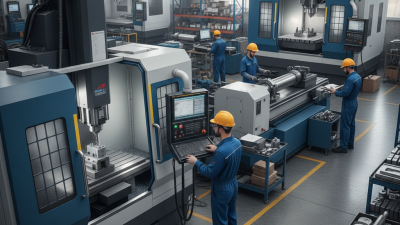
However, the transition isn’t flawless. Some companies struggle with the high initial investment in automated systems. Training employees to operate advanced machinery poses challenges as well. Adapting to new technologies requires a cultural shift within organizations. There is often resistance from workers accustomed to traditional processes. Balancing automation with human expertise remains critical for optimal results.
As factories embrace automation, the focus on ongoing maintenance and upgrades increases. Buyers should expect a continual investment in technology and training. This evolving landscape demands a proactive approach. Embracing change is essential for staying competitive in the fast-paced CNC world. Adaptability will be crucial to navigate these emerging trends.
Emerging Materials and Their Impact on CNC Machining Processes
The landscape of CNC machining is evolving rapidly with the introduction of innovative materials. Emerging materials are significantly impacting machining processes, pushing the industry toward greater efficiency and durability. For instance, carbon fiber-reinforced polymers (CFRPs) are gaining traction. According to a recent report, the global carbon fiber market is expected to reach $7.2 billion by 2026. This shift necessitates adaptations in machining strategies to handle their unique properties.
Aluminum alloys are also becoming more popular due to their lightweight and strength. These alloys often require different cutting tools and speeds. Adapting to these materials can increase efficiency by up to 30%, as reported by industry studies. However, the challenge remains in achieving precision and surface finish. Advanced tool materials and coatings can mitigate these issues but demand ongoing research and development.
Maintaining knowledge of these materials is crucial for manufacturers. Skill gaps may occur as new materials necessitate specialized techniques. Training programs need to evolve continually to keep up with these changes. As the industry embraces these trends, attention to the impact of emerging materials will be paramount for long-term success in CNC machining.
Sustainability Trends in CNC Machining: Eco-Friendly Practices for 2026
Sustainability is transforming the CNC machining industry. Eco-friendly practices are becoming essential for manufacturers and buyers alike. In 2026, many companies will focus on reducing waste and energy consumption. Investing in energy-efficient machines is a step forward. These machines not only consume less power but also produce less scrap material.
One effective strategy is to implement a closed-loop system. This allows the reuse of materials, minimizing waste. Investing in renewable energy sources, like solar panels, can further enhance sustainability. Many manufacturers are now exploring biodegradable cutting fluids and lubricants. This reduces chemical waste and promotes a healthier environment.
It's important to remember that the path to sustainability isn't always smooth. Transitioning to eco-friendly practices can be challenging. There may be initial costs and the need for staff training. Each organization must assess its unique circumstances. Finding the right balance between efficiency and sustainability requires ongoing reflection and adjustment.
Sustainability Trends in CNC Machining for 2026