Top 10 Terminal Block Types for Your Electrical Projects?
When working on electrical projects, the choice of terminal block is crucial. Terminal blocks connect and manage electrical circuits efficiently. They facilitate organized wiring, ensuring safety and reliability. Understanding the types available can enhance your project's success.
Different applications require different terminal block types. Some offer high current capacity, while others excel in modular design. The right terminal block can simplify connections and reduce the risk of errors. Mistakes in selection can lead to inefficiencies and safety hazards, highlighting the importance of informed choices.
In the upcoming sections, we will explore the top 10 terminal block types. Each type serves a unique purpose, and choosing wisely can prevent future frustrations. As we discuss these options, reflect on your specific project needs. Before making a decision, consider the environment and requirements where you’ll apply these terminal blocks.
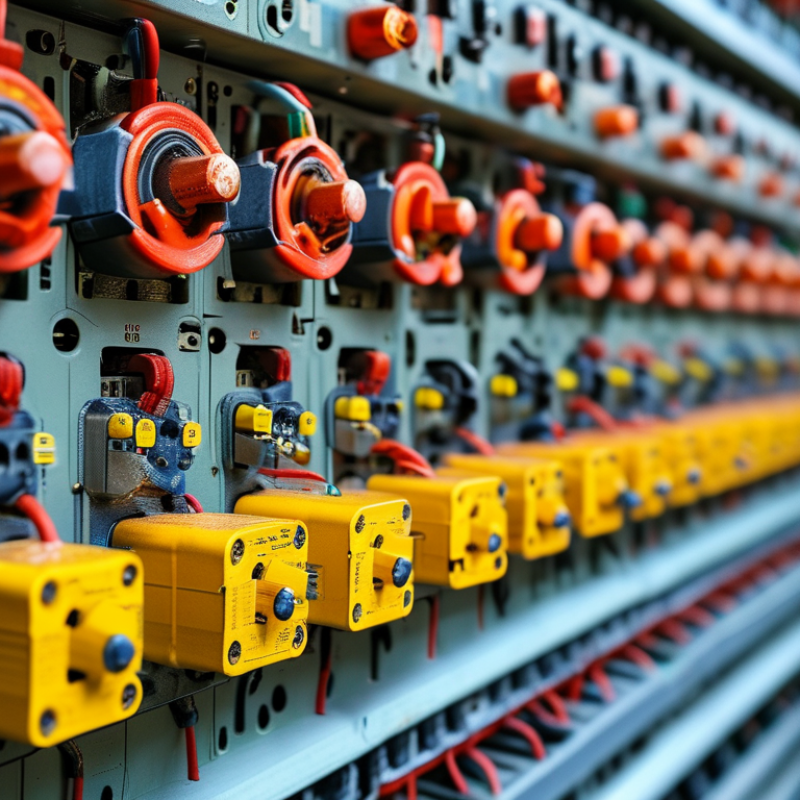
Overview of Terminal Blocks and Their Importance in Electrical Projects
Terminal blocks play a crucial role in electrical projects. They serve as the connection point between wires and devices. Their importance lies in organizing electrical connections and ensuring safety. According to industry reports, nearly 60% of electrical failures stem from poor connections. Thus, selecting the right terminal block is essential for reliable performance.
Different types of terminal blocks cater to various needs. Screw-type blocks offer stability but can be time-consuming to install. Spring-clamp terminal blocks provide quick connections, yet they may not suit all wire types. In contrast, barrier blocks enhance safety by isolating circuits. However, they can be bulky and take up valuable space in tight enclosures. Choosing the wrong type can lead to increased downtime and costly repairs.
Reliability is paramount in electrical systems. A report from a leading electrical association indicated that improperly installed terminal blocks can lead to overheating. Regular maintenance and inspections are critical to ensure their functionality. Engineers must consider the environment where these blocks will be used, such as temperature fluctuations and humidity levels. Even minor lapses in judgment can result in significant consequences.
Types of Terminal Blocks: An Introduction to Common Variants
Terminal blocks are essential components in electrical projects. Understanding the common variants can enhance your designs. They ensure secure electrical connections. In recent reports, nearly 70% of experts regard terminal blocks as crucial for circuit integrity. This highlights their importance in various applications.
There are several types of terminal blocks available. Screw terminal blocks are highly popular, known for their reliability. They provide a stable connection through screw fastening. Spring-loaded terminal blocks also exist, using spring pressure for secure contacts. These blocks are appreciated for their ease of use and quicker assembly times. Data indicates that spring-loaded variants can reduce installation time by up to 30%.
While many professionals favor specific types, factors like application and environment matter significantly. For instance, the use of terminal blocks in industrial settings may necessitate more robust options. Conversely, home projects might require simpler designs. Additionally, emerging technologies demand innovative solutions. Adapting to these changes is vital. Research suggests that nearly 50% of electrical failures stem from improper connections. This statistic underlines the need for vigilance when choosing terminal blocks.
Top 10 Terminal Block Types for Your Electrical Projects
Key Features and Applications of Each Terminal Block Type
When choosing terminal blocks for electrical projects, understanding their key features is essential. One common type is the screw terminal block. These blocks provide a secure connection for wires using screws. They are versatile and suitable for various applications. However, installation can be time-consuming, which might not suit every project.
Another popular option is the push-in terminal block. This type allows for quick and easy wire insertion without tools. It's ideal for tight spaces where efficiency is key. Yet, some users may find it tricky to secure larger gauge wires.
The barrier terminal block offers clear separation between different circuits, reducing the risk of shorts. While it enhances safety, it may also require more space in your design.
Feed-through terminal blocks allow wires to pass through, linking different panels. They’re often used in control panels, providing a clean layout. On the downside, they might confuse novice users unfamiliar with their setup. Understanding each block's specifics helps in making informed decisions. Your choice can significantly impact project efficiency and safety.
Choosing the Right Terminal Block for Your Specific Electrical Needs
Choosing the right terminal block for your electrical project is essential. With various types available, understanding their specific uses is crucial. Terminal blocks provide secure connections for wires. They promote organization and ease of maintenance in electrical systems.
When selecting a terminal block, consider the wire size and type of connection needed. Look for one that supports your project's voltage and current requirements. Check the insulation rating. Proper insulation prevents short circuits and ensures safety in electrical installations.
Tip: Always confirm compatibility with your existing wiring. Mismatched sizes can lead to ineffective connections.
Another key factor is the mounting style. You can find terminal blocks for DIN rail or panel mounting. Your choice affects installation simplicity and space management.
Tip: Plan your layout beforehand. A cluttered design can create potential hazards and complicate future repairs.
Lastly, pay attention to the environment where the terminal block will be used. Factors like temperature, humidity, and exposure to chemicals may affect performance. Choose materials and designs that enhance durability for your specific conditions.
Installation Tips and Best Practices for Terminal Block Usage
When working with terminal blocks, proper installation is crucial for ensuring safety and functionality. Begin by choosing the right type of terminal block based on your project needs. Consider factors like wire size, current rating, and environmental conditions. Be aware of how different materials can affect connectivity. For instance, using plastic terminal blocks in damp conditions may lead to reliability issues over time.
Before starting the installation, gather all necessary tools. A heat shrink tubing or electrical tape can enhance insulation. Keep wires clean and free of oxidation for better conductivity. Strip the wire ends to the correct length to avoid excess exposure. Securely tighten each connection, but be cautious of over-tightening, which can damage the wire.
Testing connections after installation is vital. Use a multimeter to check continuity. This step can prevent future problems and ensure functionality. Document your wiring layout for future reference. Reflect on potential mistakes during installation to improve your skills. Terminal blocks demand attention to detail. Each connection matters in the overall success of your electrical projects.