
What Are the Top Printing Equipment Suppliers Worldwide?
Choosing among the top Printing Equipment suppliers worldwide requires more than comparing machine prices. Buyers must examine reliability, print quality, service coverage, software compatibility, and long-term operating costs. A press may look impressive in a showroom. Its real value appears during a demanding production week.
Benny Landa, founder of Indigo and Landa Digital Printing, once said, “Everything that can be digital will be digital.” His observation still shapes modern equipment decisions. Digital presses from HP, Canon, Ricoh, Fujifilm, and Landa serve short runs, variable data, packaging, and fast commercial work. Heidelberg, Komori, and Koenig & Bauer remain influential in offset printing. Bobst is especially important for packaging and converting applications.
The strongest supplier depends on the job.
A newspaper printer needs different strengths from a folding-carton producer. A commercial printer may prioritize quick changeovers, while a label manufacturer may value color consistency and substrate flexibility. Regional service teams also matter. A costly machine becomes a poor investment when spare parts arrive slowly.
This overview compares leading suppliers through practical criteria, including technology, productivity, automation, sustainability, and customer support. It also considers real operating details, such as ink coverage, drying performance, operator training, and maintenance schedules. No global ranking is completely objective. That is worth admitting.
Supplier reputations change.
New digital platforms can challenge established assumptions, while energy prices and labor shortages reshape purchasing decisions. The best choice is not always the most famous brand. It is the supplier that fits a company’s workload, skills, budget, and growth plans.
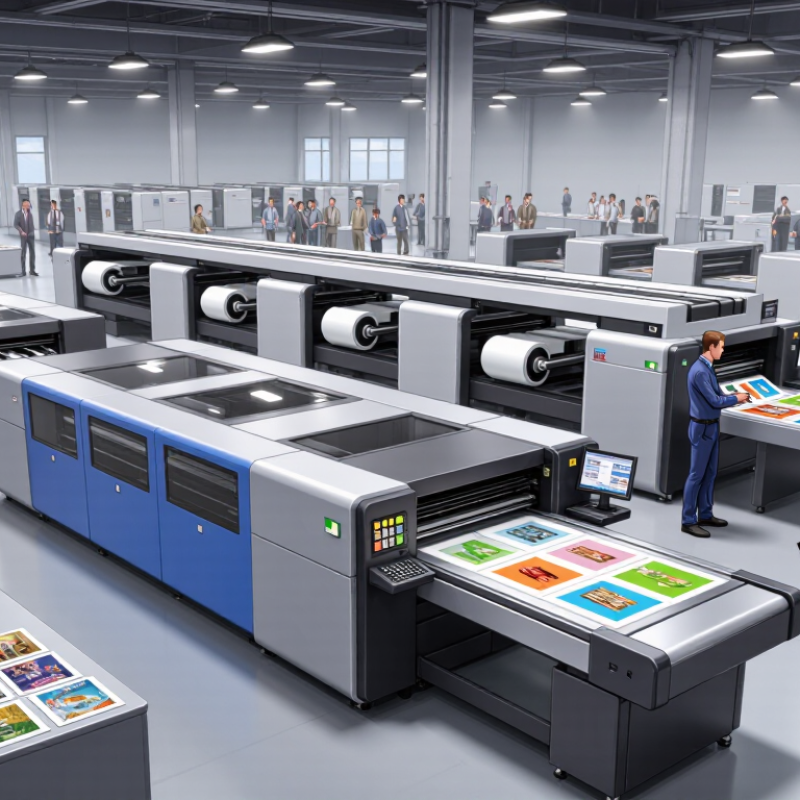
Global Printing Equipment Suppliers: An Industry Overview
Global printing equipment suppliers operate across a complex, highly specialized industry. They provide offset presses, digital production systems, wide-format units, finishing machines, and workflow software. The strongest suppliers usually combine engineering depth with dependable regional support. Their value is not limited to machine speed. Installation quality, operator training, spare-parts access, and service response often determine long-term performance.
In equipment audits, buyers commonly compare print consistency, energy use, automation, and total ownership cost. A supplier may offer impressive specifications, yet perform poorly without trained technicians nearby. That detail is easy to overlook. Reliable suppliers publish measurable data and explain maintenance requirements clearly. They also adapt equipment to different substrates, production volumes, and compliance needs. Independent testing, customer references, and documented service records make supplier claims easier to verify.
Worldwide competition is changing the supplier landscape. Demand is growing for connected workflows, shorter production runs, reduced waste, and more flexible finishing. However, technology alone does not solve every production problem. Some automated systems require costly upgrades or difficult operator retraining. Buyers should inspect sample output, test real materials, and calculate downtime risks before signing contracts. Industry rankings can help, but they may favor visibility over practical suitability. A smaller regional supplier might provide faster support, although its global infrastructure may be limited. That trade-off deserves honest review.
What Are the Top Printing Equipment Suppliers Worldwide?
Global Printing Equipment Suppliers: An Industry Overview by Technology, Application, Production Scale, and Regional Strength
| Equipment Category | Primary Applications | Main Substrates | Typical Production Speed | Economic Run-Length Profile | Key Supplier Regions | Important Buying Criteria |
|---|---|---|---|---|---|---|
| Sheet-Fed Offset Presses | Commercial brochures, books, magazines, catalogs, premium packaging, and general marketing materials. | Coated and uncoated paper, paperboard, and selected synthetic sheets. | Approximately 10,000–20,000 sheets per hour | Most cost-effective for medium to long runs with stable repeat production. | Europe, East Asia, North America, and China | Color accuracy, makeready time, automation, registration control, and energy consumption. |
| Web Offset Presses | High-volume newspapers, magazines, books, directories, and commercial products. | Continuous paper rolls, including lightweight coated and newsprint grades. | Approximately 30,000–60,000 impressions per hour | Best suited to long runs and centralized, high-throughput production. | Europe, North America, and East Asia | Web tension, drying system, folding configuration, waste reduction, and uptime. |
| Flexographic Presses | Flexible packaging, labels, corrugated materials, paper bags, films, and folding cartons. | Plastic films, paper, foil, corrugated linerboard, and coated packaging stocks. | Approximately 100–600 meters per minute | Efficient for medium to very long runs, especially in packaging production. | Europe, North America, Japan, China, and other Asian manufacturing centers | Color consistency, anilox configuration, drying capacity, substrate flexibility, and changeover speed. |
| Rotogravure Presses | High-volume flexible packaging, decorative laminates, gift wrap, and publication printing. | Plastic films, foil, paper, and coated laminate structures. | Approximately 150–300 meters per minute | Most economical for very long runs because cylinder preparation adds upfront cost. | Europe, Japan, China, South Korea, and other Asian markets | Cylinder engraving quality, ink control, drying efficiency, registration, and solvent management. |
| Digital Toner Presses | Short-run commercial printing, personalized direct mail, photo products, transactional documents, and labels. | Paper, synthetic sheets, coated stocks, labels, and selected specialty media. | Approximately 60–150 pages per minute | Competitive for short and medium runs with frequent version changes. | North America, Europe, Japan, and China | Variable-data capability, color stability, media range, finishing integration, and click-cost control. |
| Production Inkjet Presses | Books, direct mail, transactional documents, catalogs, packaging, and high-volume personalized work. | Uncoated and coated paper, inkjet-treated media, labels, and selected packaging substrates. | Approximately 100–300 meters per minute for web systems | Strong for short-to-long runs when personalization and fast setup are important. | Europe, North America, Japan, and China | Ink coverage, drying technology, printhead reliability, variable-data workflow, and substrate compatibility. |
| Wide-Format Inkjet Systems | Outdoor signage, retail graphics, wall coverings, vehicle graphics, textile displays, and interior décor. | Vinyl, textiles, coated papers, rigid boards, films, canvas, and specialty media. | Approximately 20–150 square meters per hour | Designed for short and medium runs with multiple designs and customized output. | Europe, North America, Japan, China, and South Korea | Color gamut, outdoor durability, white and specialty inks, media handling, and finishing workflow. |
| Screen Printing Equipment | Industrial labels, apparel, promotional products, glass, ceramics, electronics, and specialty graphics. | Textiles, glass, ceramics, metal, plastics, wood, paper, and rigid products. | Approximately 500–1,500 impressions per hour, depending on format | Effective for durable ink deposits, specialty effects, and medium production volumes. | Europe, North America, Japan, China, and India | Ink deposit control, registration accuracy, curing technology, screen preparation, and automation level. |
| Corrugated Printing and Converting Lines | Shipping boxes, retail-ready packaging, displays, e-commerce packaging, and protective packaging. | Corrugated board, linerboard, kraft paper, and recycled fiber-based substrates. | Approximately 5,000–30,000 sheets per hour | Suitable for medium to long packaging runs with repeatable box formats. | Europe, North America, China, Japan, and Southeast Asia | Board handling, print-to-cut accuracy, waste rate, line integration, changeover time, and automation. |
| Label Printing Systems | Food and beverage labels, pharmaceutical labels, personal-care products, industrial labels, and variable information. | Self-adhesive paper, film, unsupported film, foil, and specialty label stocks. | Approximately 30–100 meters per minute | Well suited to short and medium runs with frequent artwork and SKU changes. | Europe, North America, Japan, China, and other Asian markets | Color repeatability, inline embellishment, inspection systems, waste matrix handling, and quick changeovers. |