Top CNC Turning Techniques for Precision Manufacturing?
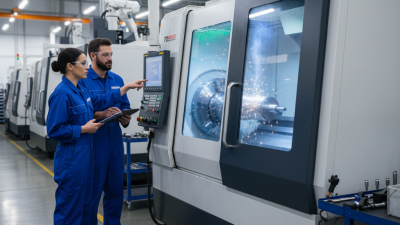
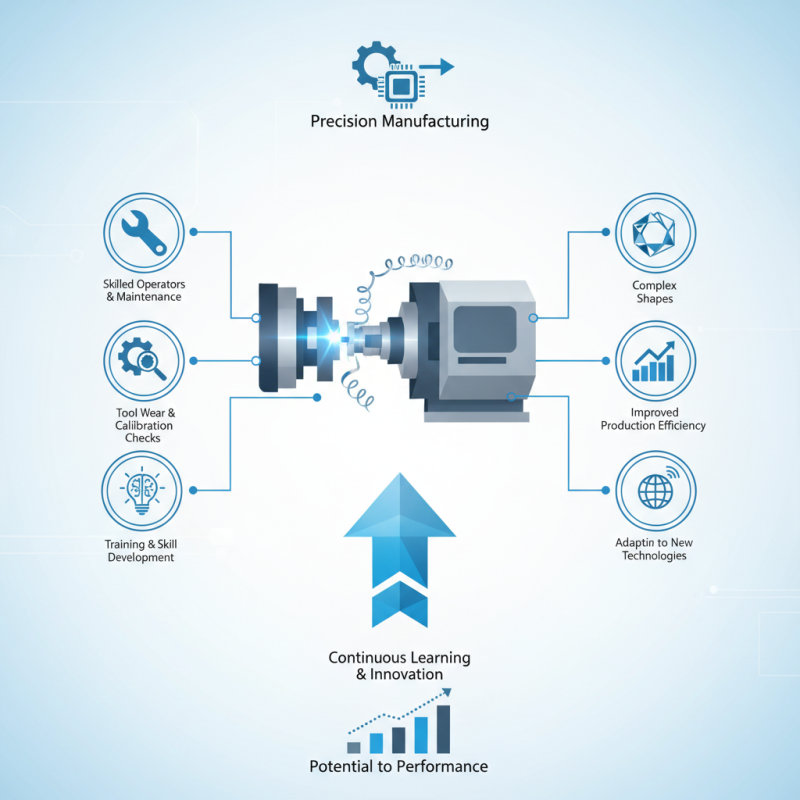
CNC turning is a vital process in precision manufacturing. It uses computer-controlled lathes to create precise components. This technique is key for industries requiring high accuracy and consistency. Skilled operators input specifications into the CNC machine. These machines can handle complex shapes that manual methods simply cannot achieve.
Precision is not always guaranteed, however. Factors like tool wear and machine calibration can impact outcomes. Regular maintenance and adjustments are necessary to ensure accuracy. Each part designed through CNC turning assists in improving overall production efficiency. Manufacturers must prioritize training and skill development for operators as well.
Ultimately, while CNC turning offers countless advantages, challenges remain. It's crucial to stay updated on the latest techniques. Continuous learning will lead to better results and innovations in the field. Adapting to new technologies can bridge the gap between potential and performance.
Essential CNC Turning Concepts for Precision Manufacturing
CNC turning is essential for precision manufacturing. It involves rotating the workpiece against cutting tools. This method allows for high accuracy and repeatability, which are critical in the industry. A recent industry report indicates that CNC machines can achieve tolerances of ±0.01 mm. Such precision is vital for components in aerospace and medical applications.
Understanding the fundamentals of CNC turning is crucial. Key aspects include tool selection, speed, and feed rates. Using the correct tools can greatly enhance the quality of the finished product. However, miscalculations in speed and feed can lead to defects. In fact, studies show that improper settings can reduce part quality by up to 30%.
Learn about the materials being machined as well. Different materials respond differently to CNC turning processes. For example, aluminum can be more forgiving than hardened steel. Manufacturers often reflect on their experiences with various materials to improve their methods. Mistakes in material handling can lead to waste and increased production costs. Engaging with these concepts deeply informs better practices in the CNC turning landscape.
Overview of CNC Turning Process and Machinery Utilized
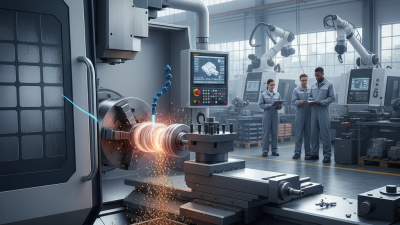
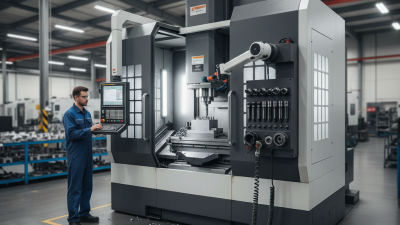
CNC turning is a vital process in precision manufacturing. It involves rotating a workpiece against a cutting tool. This method creates cylindrical parts with accuracy. The machinery utilized includes CNC lathes, which are designed for efficiency and precision. These machines can automate the production of complex shapes. They allow manufacturers to maintain tight tolerances during the process.
CNC lathes use various tools to achieve different finishes. The tools can be quickly changed, enhancing versatility. However, operators must ensure they are using the right tool for each task. Mistakes in tool selection can lead to production delays and wasted materials. Additionally, setup time can also pose challenges. Proper calibration is crucial but sometimes overlooked. When machines are not calibrated correctly, the final product may not meet specifications.
Working with CNC turning requires a deep understanding of the process. Knowledge of materials and their properties is essential. Different materials respond differently to cutting techniques. Sometimes, what works for one material fails for another. Experimentation is necessary, but it consumes valuable time. Each project requires careful planning and design adjustments. Thus, manufacturers must remain vigilant and adaptable throughout the process.
Key Techniques for Achieving High Precision in CNC Turning
Achieving high precision in CNC turning requires mastery of several key techniques. Tool selection plays a vital role. Choosing the right material for cutting tools increases tool life and precision. Carbide tools dominate the market, holding a 47% share in cutting tool revenue according to recent industry reports. However, improper tool choice can lead to poor finishes and dimensional inaccuracies.
Programming is equally crucial. Effective G-code can minimize cycle times and improve part accuracy. Small errors in programming can cascade into significant defects. The average scrap rate in manufacturing is about 8%, highlighting the impact of even minor programming mistakes. Operators must continually test and refine their code to ensure precision.
Additionally, the importance of setup cannot be overstated. Proper fixture alignment is crucial for consistent results. Misalignments can result in tolerance issues, often exceeding the acceptable range of 0.005 inches. According to the Precision Metalforming Association, about 30% of manufacturers report challenges related to setup time. Continuous improvement and reflection on these aspects can lead to significant gains in quality and efficiency.
Common Materials and Their Impact on CNC Turning Outcomes
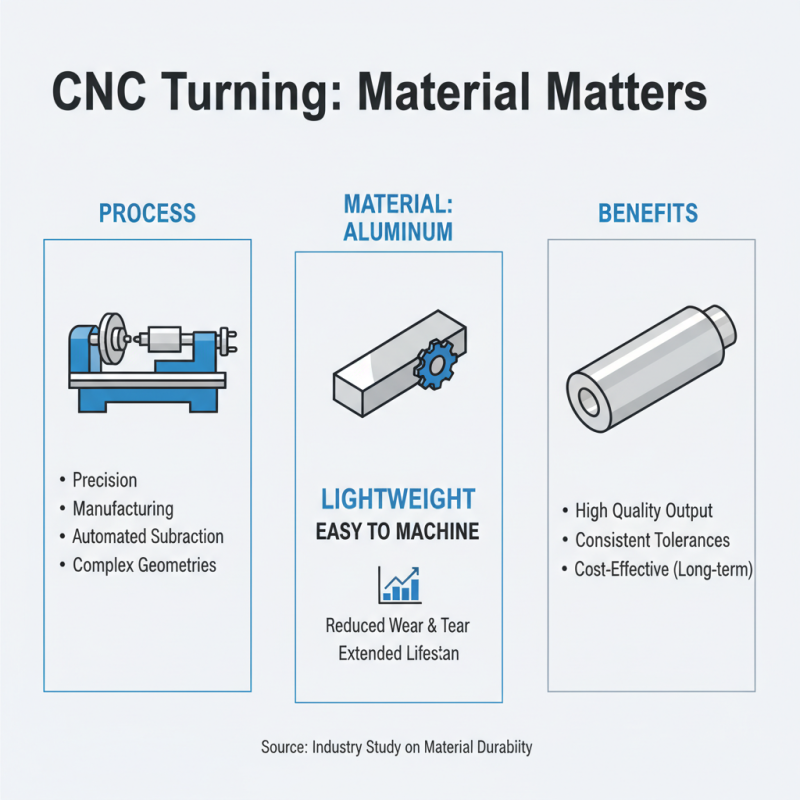
CNC turning is pivotal in precision manufacturing. The choice of materials significantly influences the final product's quality. For instance, aluminum is lightweight and easy to machine, making it popular for many applications. A study indicated that aluminum components show less wear and tear, enhancing longevity.
On the other hand, harder materials like stainless steel present challenges. While they offer superior strength, machining them can lead to tool wear. A report from an industry expert highlighted that improperly managed tool wear can increase production costs by 25%. This reflects the importance of selecting the right material for the application.
Plastics, while often underestimated, also have unique properties. They can be machined into complex shapes. However, they may warp under heat, requiring careful temperature control during processes. An often overlooked issue is the waste generated during CNC turning, which can be mitigated by better material choices. Balancing these factors is crucial for optimizing the CNC turning outcomes.
Maintenance Best Practices for CNC Turning Equipment Efficiency
Maintenance of CNC turning equipment is crucial for operational efficiency. Regular checks can prevent costly downtimes. Inspect the machines weekly for any loose parts. Tightening bolts and securing components can make a significant difference. It’s easy to overlook this. However, neglecting small details can lead to larger issues.
Keeping lubricants at optimum levels is essential. Machines operate more smoothly when well-lubricated. Monitor the lubrication system regularly to avoid wear and tear. Contaminated oils can cause serious damage. Sometimes, operators forget this aspect, leading to reduced performance.
Another area that requires attention is the cooling system. Overheating can slow production and impact precision. Check coolant levels and temperatures frequently to ensure they stay within range. If the coolant becomes dirty, it may be time for a change. Operators might not notice this until it’s too late. Regular maintenance helps catch these issues early, ensuring that the CNC turning process remains efficient and precise.
Top CNC Turning Techniques for Precision Manufacturing
| Technique |
Description |
Benefits |
Best Practices |
| Adaptive Control |
Dynamic adjustment of cutting parameters based on real-time feedback. |
Improved tool life and surface finish. |
Regular calibration and monitoring of sensors. |
| High-Speed Machining |
Utilizing higher spindle speeds and feeds for faster production. |
Increased productivity and reduced cycle times. |
Use appropriate tooling and coolant to manage heat. |
| Multi-Axis Turning |
Turning operations that involve multiple axes for complex geometries. |
Ability to produce intricate parts in a single setup. |
Invest in training for operators to maximize capability. |
| Chip Control Techniques |
Methods to manage chip formation and removal. |
Enhanced surface quality and reduced tool wear. |
Optimize cutting speeds and select appropriate tools. |
| Tool Path Optimization |
Strategically planning the tool's movements during machining. |
Minimized machining time and improved accuracy. |
Utilize simulation software for effective path planning. |