Top Fast CNC Machining Trends to Watch in 2026?
Fast CNC machining is transforming manufacturing with unprecedented speed and precision. According to a 2024 report by MarketsandMarkets, the global CNC machining market is projected to grow at a CAGR of 7.4%, driven by demand for quicker production cycles. This shift is not just about faster machines; it’s about smarter automation and material optimization shaping new capabilities.
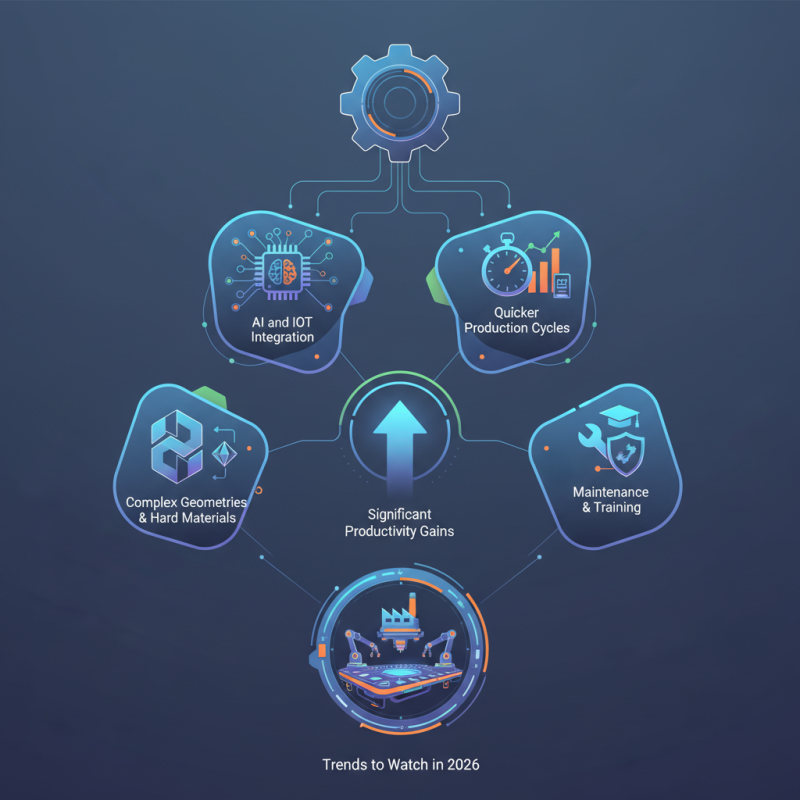
Industry leaders from McKinsey highlight that integrating AI and IoT is critical for enhancing fast CNC machining processes. These technologies enable real-time monitoring and adaptive control, reducing downtime and defects. However, challenges remain in balancing speed with quality standards, especially in complex geometries or hard materials.
While fast CNC machining promises significant productivity gains, the rapid pace sometimes leads to overlooked maintenance or operator training gaps. The industry must reflect on these gaps to truly harness the technology’s potential. This exploration focuses on emerging trends poised to redefine fast CNC machining by 2026.
Emerging Technologies in CNC Machining for 2026
In 2026, CNC machining will continue to advance significantly, driven by emerging technologies. One notable trend is the integration of artificial intelligence in machining processes. AI can optimize machining parameters, often leading to better precision and reduced waste. Predictive maintenance powered by AI will further enhance reliability. This trend suggests that operators will spend less time troubleshooting and more time innovating.
Another key development is the rise of additive manufacturing techniques in CNC machining. This hybrid approach allows for complex geometries that were previously impossible. Imagine a machine that can both mill and 3D print in one step. This can reduce setup times and make operations more versatile. However, there are challenges. Not all materials are compatible, and understanding the limits of this technology is crucial.
Sustainability is also becoming a focal point. Environmentally friendly practices are gaining traction in the machining sector. Companies will need to reflect on their energy consumption and waste generation. Striking a balance between efficiency and ecological impact will be essential. Adapting to these trends will not only require investment but also a commitment to continuous learning and improvement.
Sustainability Trends Shaping the Future of CNC Machining
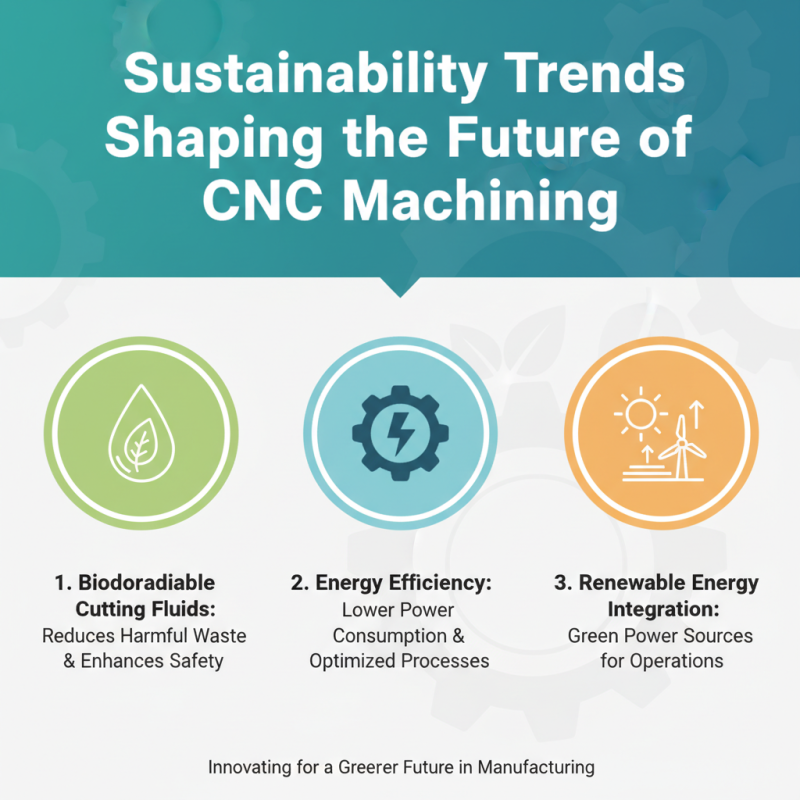
Sustainability is becoming a key focus in the CNC machining industry. As companies seek to reduce their environmental impact, new techniques emerge. For instance, the use of biodegradable cutting fluids is on the rise. These fluids lessen harmful waste and promote safer workplaces. More businesses are also evaluating power consumption during machining processes. They aim to reduce energy usage and rely on renewable energy sources.
In addition to materials, machine designs are evolving. Advanced CNC machines are being built with energy efficiency in mind. This includes features like energy monitoring and automatic shutdown systems. However, this shift requires significant investment and careful planning, which not all companies are ready for. Despite the challenges, the industry is making strides in either adopting or developing sustainable practices.
Collaboration between manufacturers and suppliers is critical. Sharing knowledge helps identify and implement sustainable solutions. Yet, not every partnership yields success. Some initiatives fall short of expectations, revealing a need for ongoing assessment. As the CNC machining landscape evolves, continuous reflection is vital to ensure meaningful progress toward eco-friendly practices.
The Role of Automation in Enhancing CNC Machining Efficiency
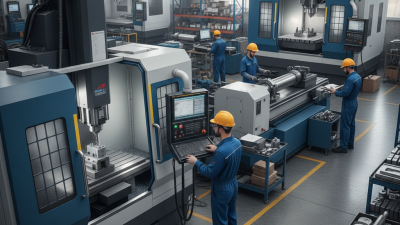
As CNC machining evolves, automation plays a crucial role. Advanced robotics increase precision and speed in machining processes. This shift fosters greater efficiency and reduces human error. Companies are integrating automated systems, ensuring consistent quality and minimizing downtime.
However, automation introduces challenges. Skilled operators may need retraining to work alongside new technologies. The investment required for automation can be substantial. Smaller businesses may struggle to keep up with these advancements. Balancing automation with human oversight is essential for optimal results.
The future of CNC machining relies on automation's integration and support. Machines can perform repetitive tasks, freeing human workers for complex roles. By adopting this approach, industries can enhance productivity while addressing potential skill gaps. The interplay between technology and human skills will shape the next era of CNC machining.
Top Fast CNC Machining Trends to Watch in 2026
| Trend |
Description |
Impact on Efficiency |
Expected Adoption Rate (%) |
| Increased Automation |
Integration of automated systems into CNC operations for reduced human intervention. |
Significantly improves production rates and consistency. |
75% |
| AI-Driven Optimization |
Utilization of AI for real-time adjustments and predictive maintenance. |
Enhances precision and minimizes downtime. |
68% |
| 5G Connectivity |
Deployment of 5G technology for faster data transfer in CNC applications. |
Increases the ability to monitor and control machines remotely. |
60% |
| Sustainability Practices |
Adoption of eco-friendly materials and processes in CNC machining. |
Reduces waste and promotes energy efficiency. |
50% |
| Virtual Reality Training |
Use of VR to train operators on CNC machines. |
Improves skill levels and reduces training time. |
45% |
Integration of AI and Machine Learning in CNC Processes
The integration of AI and machine learning in CNC processes is set to revolutionize manufacturing. Advanced algorithms will optimize machining operations. This leads to improved efficiency, reduced waste, and enhanced precision. For instance, predictive maintenance powered by AI can forecast tool wear and machine failures. This minimizes downtime and maximizes productivity.
Automation will play a key role in CNC machining. AI can analyze real-time data, adjusting parameters for optimal performance. However, manufacturers need to ensure their staff is skilled in operating these advanced technologies. Training programs should focus on AI comprehension and machine interaction. Sometimes, operators might struggle with new systems. Addressing these challenges is essential.
Tips: Always test new AI software on a small scale before full integration. This reduces risks and assesses practical benefits. Also, encourage team input on technology changes. Their feedback can offer valuable insights and lead to smoother transitions. As businesses adopt AI, a culture of continuous learning will be crucial for long-term success. Make room for trial and error; it's part of the growth process.
Top Fast CNC Machining Trends to Watch in 2026
This chart illustrates the expected impact of various CNC machining trends on the industry by 2026. The integration of AI and machine learning in CNC processes is projected to have the highest impact, followed by automation and real-time monitoring solutions.
Market Demand and Industry Growth Projections for CNC Machining in 2026
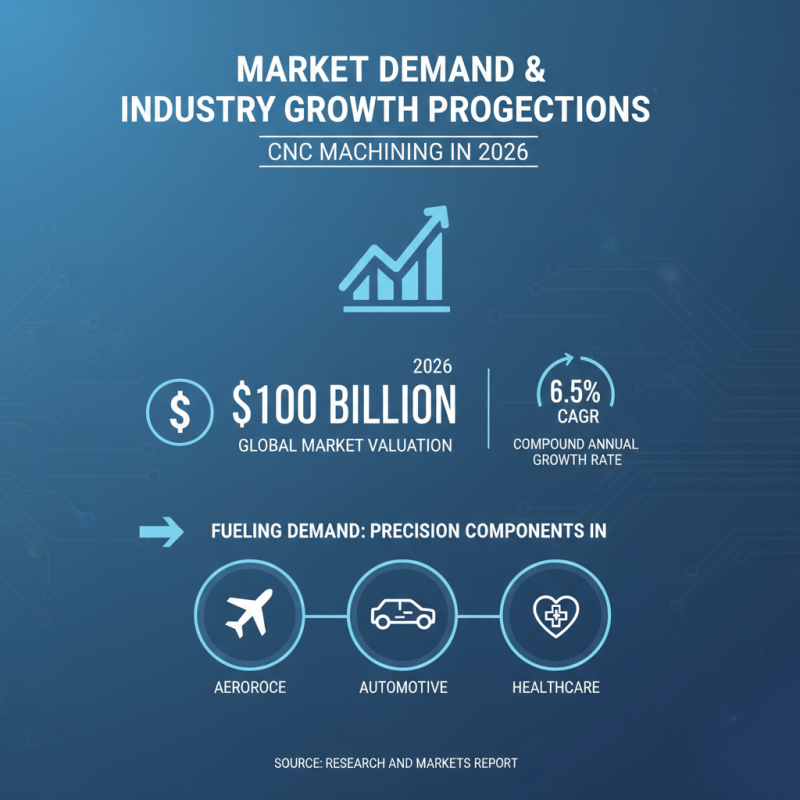
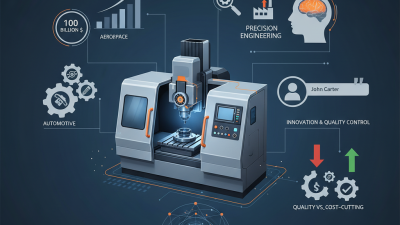
The CNC machining industry is set to witness significant growth by 2026. According to a recent market analysis report by Research and Markets, the global CNC machining market is projected to reach $100 billion by 2026, growing at a compound annual growth rate (CAGR) of 6.5%. This growth is fueled mainly by the rising demand for precision components across various sectors, including aerospace, automotive, and healthcare.
A surge in automation is influencing this market. Industries are adopting advanced CNC technologies to enhance operational efficiency. A report by Deloitte highlights that automated CNC machines can boost productivity by up to 30%. However, challenges remain. The integration of new technologies often demands significant investment and worker retraining, which can be daunting for smaller companies.
Moreover, environmental concerns are shaping industry practices. Efforts to reduce waste and improve energy efficiency are becoming critical. According to a study by McKinsey, 70% of manufacturers plan to focus on sustainable practices by 2026. Yet, many companies struggle to find a balance between sustainability and profitability. This dynamic landscape presents both opportunities and obstacles as organizations adapt to changing market demands.