How to Choose an Ink Rub Resistance Tester?
Choosing an Ink Rub Resistance Tester is a quality decision, not merely an equipment purchase. Printed cartons, labels, receipts, and flexible packaging can face friction within seconds of production. A fresh black barcode may become a pale gray smear. That small defect can trigger complaints, rework, or rejected shipments.
Smithers’ The Future of Global Printing to 2028 reports continued growth in packaging and digital print applications, where surface durability remains commercially important. PMMI’s packaging research also highlights automation, waste reduction, and consistent quality as major investment priorities. These trends make repeatable rub testing increasingly valuable. However, market reports rarely explain the practical differences between test loads, stroke rates, dry-rub conditions, and wet-rub methods. Buyers must examine those details themselves.
Printing-test specialist David Zwang has stated, “Consistency is the foundation of trustworthy print production.” This principle applies directly to an Ink Rub Resistance Tester. A reliable instrument should provide controlled pressure, repeatable motion, clear sample fixtures, and records that operators can review. ASTM D5264 and ISO 2836 offer useful frameworks for evaluating printed surfaces, although they are not interchangeable in every application. That distinction is easy to miss.
The right tester depends on the ink, substrate, coating, and handling environment. A paperboard package may need different settings from a laminated film pouch. Price alone is a weak guide. Even experienced teams can choose poorly when they test only one sample. A careful selection process should compare method compatibility, calibration support, software, maintenance needs, and laboratory experience. Performance is measurable, but judgment still matters.
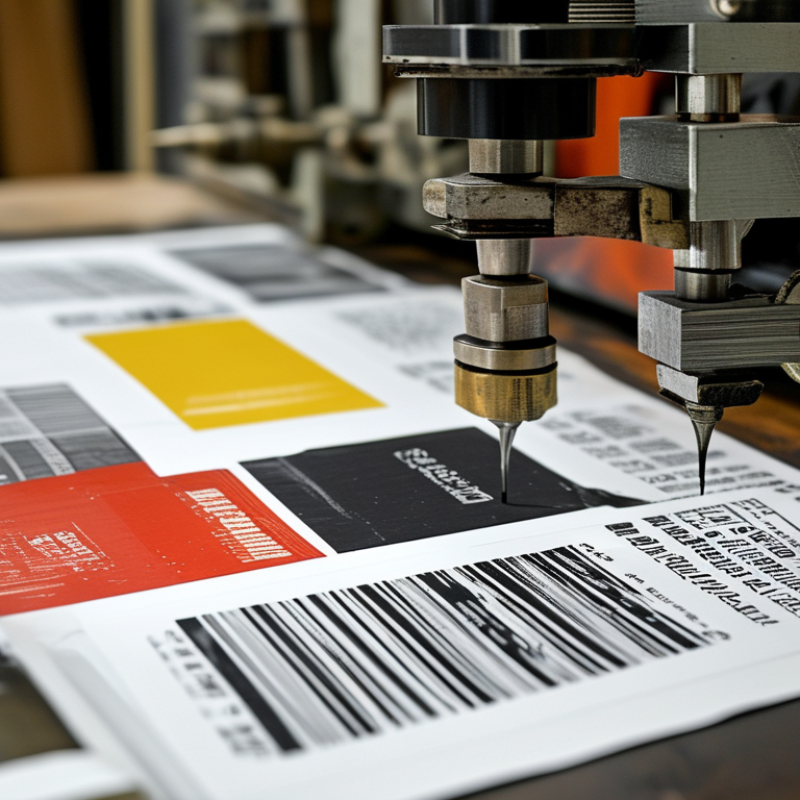
Define the Rub Test Goal: Dry, Wet, or Chemical Resistance?
Choosing an ink rub resistance tester starts with the real failure you need to prevent. Dry rub testing suits cartons, labels, and leaflets handled with clean hands. It measures whether printed ink scuffs against another dry surface. ASTM D5264 uses a controlled rubbing motion and load, helping laboratories compare results consistently.
Wet rub testing is more realistic for beverage labels, food packaging, and bathroom products. Water, condensation, or oily fingers can soften an ink film within seconds. ISO 2836:2021 separates resistance tests by liquids and exposure conditions. Do not treat “water-resistant” as universal protection. Tap water, detergent, and acidic drinks can produce different results.
Chemical resistance needs a stricter question. Which chemical, at what concentration, temperature, and contact time? The OECD Global Plastics Outlook reported 353 million tonnes of plastic waste in 2019, with packaging as a major source. That figure reinforces the value of durable printed packaging, but durability alone does not prove recyclability. A tester should reproduce the actual contact, not an impressive laboratory shortcut.
In practice, run dry and wet cycles first. Then add the chemical challenge. Short exposure is common.
But real handling is rarely neat.
Record pressure, stroke count, drying time, and visual rating. A perfect score can still mislead when the test liquid is unrealistic. I would also inspect the rubbed area under angled light, because faint whitening may appear before obvious ink loss. Test with the substrate, coating, and curing condition used in production.
How to Choose an Ink Rub Resistance Tester?
Define the rub test goal: dry, wet, or chemical resistance.
The chart shows the defining setup elements for each rub-test goal. A value of 1 means the element is normally required, while 0 means it is not normally added. Dry rub testing uses no added liquid or reagent; wet rub testing introduces water or another specified liquid; chemical resistance testing uses a defined chemical agent. Test cycles, pressure, contact material, and evaluation criteria should follow the applicable method, such as ASTM D5264 or ISO 2836.
Match Packaging Needs with ASTM D5264, ISO 2836, and TAPPI T 830
Choosing an ink rub resistance tester starts with the test method, not the instrument name. Packaging conditions vary. ASTM D5264 suits printed packaging materials exposed to controlled rubbing. It helps compare scuffing after defined strokes, pressure, and contact surfaces. For cartons, labels, and flexible films, confirm that the tester holds each substrate flat without stretching. A wrinkled film can create a misleading failure.
ISO 2836 takes a broader view of print resistance to agents, including rubbing-related assessment where applicable. Check the exact section and conditioning requirements before purchasing. A dry-rub setup may not answer questions about moisture, oil, or another liquid. TAPPI T 830 focuses on ink rub resistance in printed materials. It is useful when paper or paperboard production control is the priority. Do not assume that passing one method proves compliance with the others.
In practice, look for adjustable load, stroke count, speed, and replaceable rubbing media. The display matters less than repeatable mechanics. Record ink type, coating, drying time, substrate, and test direction. Technicians often find different marks on identical cartons because one specimen was tested too soon. That detail is easy to miss. Use reference specimens and trained visual grading, while adding image measurement when color transfer is disputed. Some standard choices still need internal validation. Careful judgment remains necessary.
Compare 2 lb (8.9 N) Load, 43 Cycles/min, Stroke, and Repeatability
How to Choose an Ink Rub Resistance Tester?
A reliable tester should reproduce real handling, not merely display a low rub count. ASTM D5264 describes a common Sutherland-type method using a 2 lb load, equal to 8.9 N, for printed-material abrasion testing. This load creates a practical contact pressure for packaging, labels, and commercial print. The test speed also matters. A reference rate of 43 cycles per minute helps control heat, friction, and operator variation. Faster motion may increase heat and create misleading scuffing.
Check the stroke length carefully. A longer stroke exposes more printed area and can reveal uneven curing, coating gaps, or weak ink adhesion. ISO 2836 evaluates print resistance against rubbing and other agents, but laboratories must still record pressure, cycles, paper type, and viewing conditions. Without those details, two “rub resistance” results may not be comparable. Repeatability deserves equal attention. Test the same sample several times, then compare the spread between readings. A wide spread signals unstable alignment, inconsistent weights, or poor specimen preparation. That is not a small issue.
Tips: Use conditioned samples, clean the rubbing surface, and verify the 8.9 N load before testing. Record stroke, speed, cycle count, and lighting. Inspect the first visible scuff and the final failure. A perfect-looking result can still hide operator bias. Repeating the test is slower, but usually more honest. When selecting equipment, choose clear controls, rigid guidance, and documented calibration rather than attractive specifications alone.