China Top 10 Hydraulic Ram Components Suppliers?

Hydraulic Ram Components are small parts with outsized consequences. A scored rod, leaking seal, or poorly matched cylinder can stop a machine mid-shift. For buyers comparing China-based suppliers, the real task is not finding the longest product list. It is checking materials, machining control, test records, delivery capability, and after-sales support.

Industry figures offer useful context, but not a supplier verdict. The China Construction Machinery Association reported 195,018 excavator sales in 2023, down 25.4% year over year. That uneven market makes supplier resilience worth examining. The National Bureau of Statistics reported that China’s equipment manufacturing value added grew 6.8% in 2023. Neither figure proves that a particular factory makes reliable hydraulic parts. They do show why production capacity and demand conditions deserve attention.

This guide compares ten Chinese suppliers through practical questions: Do they make cylinders, rods, seals, or related parts? Can they share inspection results and explain tolerances? Are customization claims supported by clear specifications? A polished catalog is not enough. Ask for material certificates, pressure-test details, and references for similar applications. Some listings may blur the difference between a manufacturer and a trading company. That distinction matters. Supplier capabilities can change, and public information may be incomplete. Treat this list as a starting point, then verify each claim directly before placing an order.
China Top 10 Hydraulic Ram Components Suppliers?

Hydraulic Ram Components: Main Types and Functions

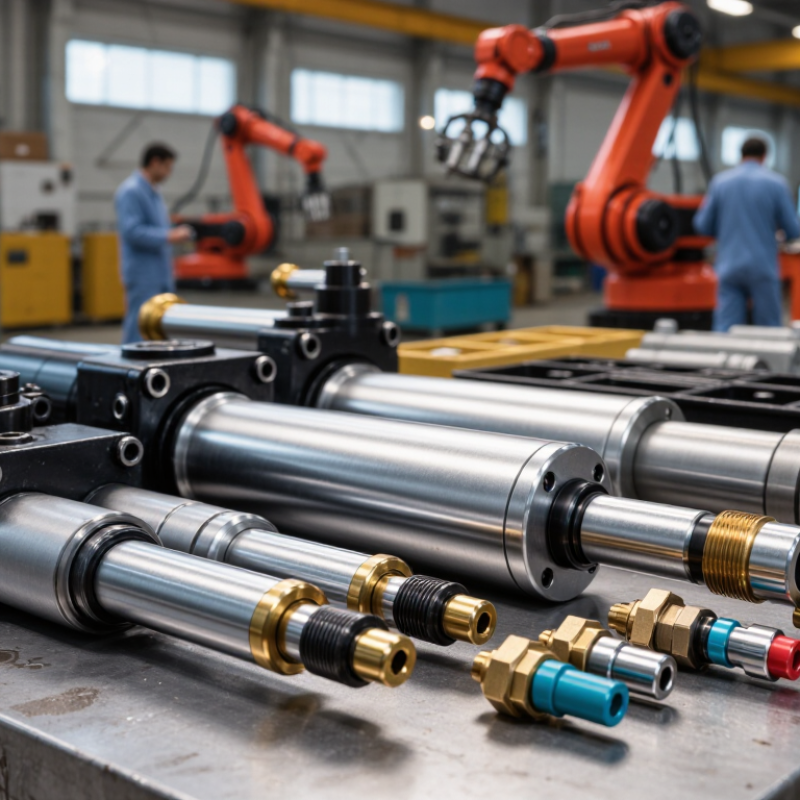
A hydraulic ram converts pressurized fluid into straight-line force. Its main parts work together, so a failure in one can affect the whole assembly. The cylinder barrel contains the pressure and guides the piston. The piston separates fluid chambers and transfers force to the rod. A strong, smooth rod carries that force to the load. Seals matter. They reduce leakage and help keep dirt out, but wear from heat, contamination, or side loading.

At the rod end, a gland supports the rod and holds key seals in place. Bearings or wear rings help keep the piston and rod aligned inside the cylinder. Ports direct oil into and out of the chambers; their size and placement influence flow and operating speed. Some rams also use cushioning near the end of travel to soften impact. Small details count. For example, a scored rod can quickly damage a new seal.

Choosing components means matching bore, stroke, pressure rating, mounting style, and working environment. Dust, frequent cycling, and uneven loads all change what a ram needs. Specifications are useful, but real operating conditions can be messier than a drawing suggests. Inspection records and measurements from the actual equipment help reveal that gap.

How Hydraulic Ram Components Work Together

China Top 10 Hydraulic Ram Components Suppliers?

How Hydraulic Ram Components Work Together

A hydraulic ram converts fluid pressure into straight-line force. Its barrel contains the piston, while the piston rod transfers movement to a load. Seals around the piston limit fluid bypass and help maintain pressure. End caps hold the assembly together, and ports guide oil into and out of the barrel. That is the core.

When pressurized oil enters one chamber, it pushes the piston and extends the rod. Returning oil leaves through the opposite port. Reversing the flow retracts the rod. A relief valve can limit excessive pressure, but it does not correct poor component fit. Dimensions, materials, operating pressure, and fluid compatibility all matter when sourcing replacement parts. A seal that looks right may still fail if its size or compound is unsuitable. Small details count.

In service, a thin oil film near a rod seal may signal wear, contamination, or surface damage. Check the rod finish and seal condition before assuming the whole ram needs replacement. The neat diagrams can hide real-world variation: loads may be uneven, and temperatures may change fluid behavior. Component suppliers should provide clear specifications and tolerances, not just broad compatibility claims.

Criteria for Evaluating Suppliers in China

When evaluating hydraulic ram component suppliers in China, begin with the parts that carry load and contain pressure. Ask about steel grades, heat treatment, and how each production batch is identified. Request material certificates and inspection records linked to the actual shipment, not just a sample document. Details matter.

Check machining quality with measurable evidence. For rods, review diameter tolerance, straightness, and surface finish; for seals and glands, confirm fit dimensions and material compatibility. Ask how suppliers test pressure-bearing parts and record leakage results. A clear inspection plan should explain sample frequency, gauges used, and what happens when a measurement falls outside tolerance. A neat catalogue is not proof. Request sample parts and compare several pieces, since one carefully prepared sample may not reflect routine output.

Production capacity and communication matter, too. Ask for realistic lead times, available backup processes, and advance notice of material changes. Verify whether drawings, revision numbers, and packaging requirements are handled consistently. A supplier that replies quickly but avoids technical questions deserves closer review. Price still matters, yet an unexplained low quote can hide differences in steel, finishing, or inspection scope. It is easy to overvalue a factory visit; records and repeatable sample quality may reveal more. No checklist removes uncertainty, so keep open questions visible during qualification.

Profiles of Ten Chinese Hydraulic Ram Component Suppliers

China’s hydraulic ram component sector includes suppliers with different strengths. These ten profiles are capability snapshots, not audited company endorsements. One supplier may focus on honed steel tubes, while another machines piston rods for straightness and surface finish. A third produces pistons with carefully controlled clearances. A fourth specializes in forged clevis ends. A fifth supplies hardened pins and bushings. A sixth offers precision CNC machining for custom parts. A seventh makes cast end caps. An eighth focuses on cylinder-head components. A ninth provides heat-treated steel parts. A tenth combines machining with small-batch component assembly. Details matter. Buyers should compare the exact part, not just a supplier’s broad product category.

Tips: Request material certificates, dimensional inspection records, and sample parts. Check bore finish, rod runout, thread fit, and coating consistency. Ask how defects are handled. A polished sample is useful, but production consistency matters more. Confirm tolerances against your drawing, and clarify who pays for rework. Supplier capabilities can vary by part and production run, so verify claims before placing a large order.

How to Compare and Verify Potential Suppliers

China Top 10 Hydraulic Ram Components Suppliers?
How to Compare and Verify Potential Suppliers

A supplier’s catalogue is only a starting point. Compare the exact component specification: rated pressure, flow range, seal material, port dimensions, and operating temperature. Ask for a current drawing and a traceable material or inspection record, then check that the delivered part matches them. For critical items, request a sample and test it under your real pressure cycles and fluid conditions. A clean sample helps. It proves little by itself.

Reliability also depends on the wider hydraulic system. The U.S. Department of Energy’s Improving Pumping System Performance sourcebook reports that pumping systems account for nearly 20% of global electricity use, and can consume 25–50% of energy in some industrial facilities. That is not a component failure statistic, but it shows why efficiency and service life deserve careful review. Ask suppliers how they test leakage, pressure resistance, and dimensional consistency; compare the methods, not just the claimed results. Check whether quality records identify batch numbers and inspection dates. Request references for similar applications, while protecting confidential customer details. ISO 4413 provides a useful safety framework for hydraulic systems. Still, paperwork can be incomplete, and I would not treat a certificate as proof that every shipment is consistent. Verify one batch at a time.

Scroll to Top