
What Is a Chicken Cage Manure Belt and How Does It Work?

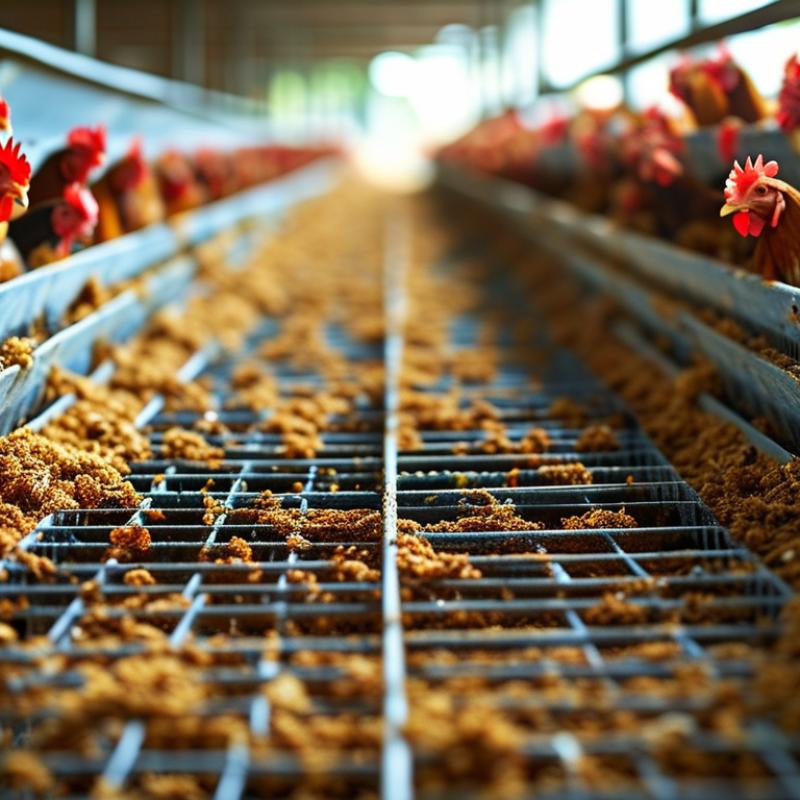
A Chicken Cage Manure Belt is a practical system for removing poultry waste from beneath tiered cages. It uses a continuous belt, usually made from polypropylene or a similar durable material. As manure drops through the cage floor, it lands on the moving belt below. A motor slowly carries the waste toward the end of the house. Scrapers or rollers then guide it into a collection area, trailer, or composting zone.

The system can reduce manual cleaning and improve air quality when it is operated correctly. Frequent belt movement removes manure before it accumulates heavily beneath the birds. This may lower moisture, ammonia odor, and fly pressure inside the building. However, performance depends on belt alignment, ventilation, stocking density, and cleaning schedules. Small problems matter. A loose belt can wrinkle, spill waste, or damage the drive system. Wet manure may also stick to the belt and require more frequent inspection. In practical farm use, routine checks often matter as much as the equipment itself. Operators should inspect tension, bearings, scrapers, and motor noise before failures become expensive. Manufacturer instructions and local agricultural guidance remain important references. The technology is effective, but it is not automatic magic. Poor maintenance can erase its advantages. This article explains the belt’s main parts, working process, operating benefits, and limitations, while recognizing that farm conditions vary considerably.
What Is a Chicken Cage Manure Belt and How Does It Work?

What Is a Chicken Cage Manure Belt?

A chicken cage manure belt is a continuous conveyor installed beneath tiered laying-hen cages.

It collects droppings before they reach the floor. Small feed particles, feathers, and spilled water may also land on it. The belt then carries the manure toward one end of the house. A scraper or transfer system moves it into a storage area or transport vehicle.

The European Commission’s 2017 Best Available Techniques Reference Document identifies frequent manure removal and belt drying as important practices for reducing odor and ammonia emissions. The system is practical, but not completely automatic.

Air movement is essential. Fans pass air across the manure surface, helping lower moisture before removal. The USDA Agricultural Waste Management Field Handbook reports that poultry manure commonly contains about 60–80% moisture, depending on bird age, diet, leakage, and storage conditions.

Drier manure is easier to handle and usually produces less seepage.

The belt moves. Small details matter.

Uneven airflow can leave wet sections, while a poorly adjusted belt may retain manure under the cages. In practice, the equipment is less tidy than diagrams suggest. Regular inspection remains necessary, especially around drive rollers, belt joints, and water lines.

Data from the European Environment Agency also links improved manure handling with lower agricultural ammonia losses, although performance varies by housing design and operating discipline.

How Does a Manure Belt Work in a Poultry House?

A manure belt is a continuous belt installed beneath cage rows in a poultry house. As hens deposit manure, it falls directly onto the moving surface. A geared motor advances the belt at a controlled speed. At the discharge end, a scraper transfers the manure into a trolley, trailer, or storage area. The belt then returns beneath the cages for another cycle. Simple, but not effortless.

In daily operation, belt speed should match manure volume, moisture, and removal frequency. Slow movement may allow buildup, while excessive speed can increase motor strain. Ventilation also matters because moving manure out quickly helps reduce moisture, ammonia, and unpleasant odors. Airflow matters. However, a belt does not replace proper house management. Staff should inspect tension, tracking, scrapers, joints, and drive components during routine rounds.

A small misalignment can make manure spill along the aisle. Wet manure may cling to the belt instead of dropping cleanly. Not perfectly clean. That is normal, but it deserves attention. Operators often adjust cleaning intervals after observing seasonal humidity, flock size, and manure consistency. Dry surfaces are easier to maintain and create fewer slippery areas. Workers should follow a consistent cleaning and biosecurity procedure, especially around transfer points. In practice, the system works best when mechanical checks, ventilation control, and careful observation happen together.

How Does a Manure Belt Work in a Poultry House?

A manure belt is a continuous conveyor installed beneath cage rows. It collects droppings, transports the manure to the end of the house, and transfers it to a removal or storage system. The operating profile below shows a typical belt-cleaning cycle used to move accumulated manure from the cages.

The belt normally remains stationary while manure accumulates. During a cleaning cycle, the drive motor moves the belt beneath the cages, carries manure to the discharge end, and returns to its normal stopped position. Actual operating time depends on house length, belt speed, manure load, and system design.

What Are the Main Parts of a Cage Manure Belt System?

A chicken cage manure belt sits beneath each cage tier and carries droppings toward a collection point. It reduces manual cleaning and keeps manure moving through the house. The system works through several connected parts, not the belt alone. A properly selected belt should resist moisture, tearing, and repeated scraping. Polypropylene or polyethylene belts are common choices, although local conditions still matter.

The belt drive unit provides movement. It normally includes an electric motor, gearbox, drive roller, and control switch. Support rollers keep the belt aligned as it travels under the cages. Tensioning devices prevent sagging and reduce slipping. Side guides help contain manure and limit spillage. At the discharge end, a transfer plate or chute directs manure into a cart, conveyor, or storage area. Small misalignments can cause large problems.

Scraper blades remove manure that remains on the belt surface. Their pressure must be firm but not excessive. Too much pressure may damage the belt edge. The cage frame and belt supports carry the system’s load, while covers can protect moving parts from dust and moisture. During inspections, operators should check belt tracking, roller noise, loose fasteners, and manure buildup. A clean belt can still hide worn rollers. Ventilation also matters because damp manure increases odor and corrosion. In practice, maintenance schedules need adjustment. One fixed schedule rarely fits every poultry house.

How Is Manure Removed, Transported, and Collected?

A chicken cage manure belt sits beneath each row of cages. It catches droppings soon after they fall. The belt is usually made from durable, moisture-resistant material. A motor slowly moves it along the cage row. This simple movement prevents manure from staying under the birds for long periods. In practice, belt speed and cleaning frequency depend on flock size, manure moisture, and house temperature.

During removal, the belt carries manure toward the end of the building. A scheduled cycle may run daily or several times each week. Drier manure usually moves more cleanly. Wet manure can stick, spread, or overload the conveyor. That is where real operation becomes less predictable. Operators should check belt tension, tracking, and surface buildup during each inspection. A small alignment problem can create a larger spill later.

At the row end, a cross conveyor receives the manure and transports it outside the cage area. It may discharge into a covered trailer, storage room, or approved collection container. The receiving point should limit dust, odors, and contact with rainwater. Keep it contained. Workers also need safe access around motors and moving parts. Cleaning records can reveal patterns, although records are sometimes incomplete. One overlooked inspection may explain repeated belt damage or uneven manure collection.

What Is a Chicken Cage Manure Belt and How Does It Work? - How Is Manure Removed, Transported, and Collected?

Typical operating information for manure-belt systems in caged layer houses. Actual values depend on flock size, house layout, belt design, manure moisture, and local operating practices.
System Stage Main Component How It Works Typical Data or Range Practical Result
1. Manure Deposition Manure belt installed beneath each cage tier Bird droppings fall through the cage floor and land directly on the moving or stationary belt below the cages. Usually one belt is installed beneath each cage tier; belt widths commonly range from approximately 1.0 to 2.5 m, depending on the cage layout. Manure is isolated from the house floor, reducing direct contact with litter and simplifying removal.
2. Temporary Holding Polypropylene or polyethylene belt The belt supports the manure between removal cycles. Its smooth surface allows the material to be carried without requiring a floor scraper. Common belt thicknesses are approximately 0.8–2.0 mm; belt selection should consider tensile strength, flexibility, cleaning, and resistance to moisture and ammonia. A continuous collection surface is provided under the cages, with less accumulation on building surfaces.
3. Manure Removal Drive roller, motor, gearbox, and belt-control system An electric motor turns the drive roller, pulling the belt lengthwise and moving manure toward the end of the cage row. A typical belt speed is approximately 5–20 m/min when operating; the actual speed is selected to prevent overloading, tearing, or excessive spillage. Manure can be removed mechanically with limited manual handling.
4. Removal Scheduling Timer, control panel, or manual start-stop control The belt is operated at planned intervals so that manure does not remain under the cages longer than necessary. Removal may be scheduled daily, several times per week, or according to manure loading and farm management requirements. More frequent removal generally reduces storage time, odor generation, and the opportunity for moisture migration.
5. Belt Cleaning Belt scraper or cleaning blade A scraper positioned near the discharge end removes manure that remains attached to the belt surface as the belt returns. The scraper should maintain uniform contact without cutting, folding, or excessively wearing the belt. Cleaner belt return paths help reduce carryback, buildup, and spillage around the conveyor.
6. Horizontal Transport Cross conveyor or transfer conveyor At the end of each cage row, manure drops onto a cross conveyor that combines material from multiple tiers or rows. The cross conveyor is sized according to the number of cage rows, manure loading, conveyor length, and available discharge space. Manure from several belts can be directed to one centralized discharge point.
7. Vertical Transfer Inclined conveyor or manure elevator Where the storage or loading area is at a different elevation, an inclined conveyor lifts the manure from the cross conveyor to the discharge point. Inclination and speed must be matched to manure consistency to limit rolling, sliding, and material falling from the belt. The system can move manure out of the poultry house without relying on a tractor inside the building.
8. Final Collection Trailer, manure cart, covered bay, or temporary storage area The discharge conveyor deposits manure into a receiving container or designated storage area for later transport, composting, drying, or land application. Collection capacity should be greater than the expected manure volume between removal and hauling cycles. The final collection point allows loading, transport, and further nutrient-management processing to be organized safely.
9. Moisture and Odor Control Ventilation, timely removal, and optional belt-drying airflow Removing manure promptly and maintaining adequate ventilation helps limit moisture accumulation and the formation of odor-producing anaerobic conditions. Manure moisture varies with bird diet, water spillage, ventilation, climate, and storage time; no single moisture value applies to every farm. Drier manure is generally easier to handle and transport and may have improved value for composting or fertilizer use.
10. Routine Inspection Belt alignment devices, bearings, guards, and emergency stops Operators check belt tracking, roller condition, scraper contact, motor load, loose fasteners, and accumulated manure before and during operation. Inspection frequency should follow operating hours, manufacturer instructions, site conditions, and applicable workplace-safety requirements. Regular maintenance helps prevent belt misalignment, blockages, unplanned downtime, and unsafe access to moving parts.

What Are the Benefits and Maintenance Needs of Manure Belts?

A chicken cage manure belt collects droppings beneath each cage row and carries them toward a discharge point. Its main value is cleaner, more controlled manure handling. The belt can reduce scraping work, limit prolonged contact with waste, and make removal more predictable. Drier manure may also produce less ammonia, although ventilation and feed quality strongly affect results. The belt does not solve every odor problem.

A well-managed system can improve floor cleanliness and reduce labor during daily work. It also helps workers identify changes in manure texture, which may signal excess water or bird health concerns. However, these benefits depend on correct adjustment. A loose belt may wrinkle. A tight belt may strain the drive system. Small errors matter.

Maintenance should include a visual check before operation. Look for tears, buildup, uneven tracking, and wet patches. Remove hardened manure from rollers and guide areas. Check belt tension and alignment according to the equipment instructions. Keep discharge zones clear, because blocked manure can overload the belt. Moisture deserves attention. It can make manure stick and increase belt wear. Cleaning should be thorough but controlled, since excessive water may worsen the same problem. Record unusual noise, slipping, or repeated repairs. A belt may appear reliable while slowly losing efficiency. That assumption needs checking. Regular inspections, safe shutdown procedures, and timely part replacement support cleaner operation and longer service life.

Scroll to Top