What is Brass CNC Machining and Why is it Important?
Brass CNC machining plays a crucial role in modern manufacturing. It combines precision engineering with the unique properties of brass. Experts highlight its importance in various industries. John Smith, a leading figure in precision machining, once stated, “Brass CNC machining is essential for creating components that are both durable and aesthetically pleasing.”
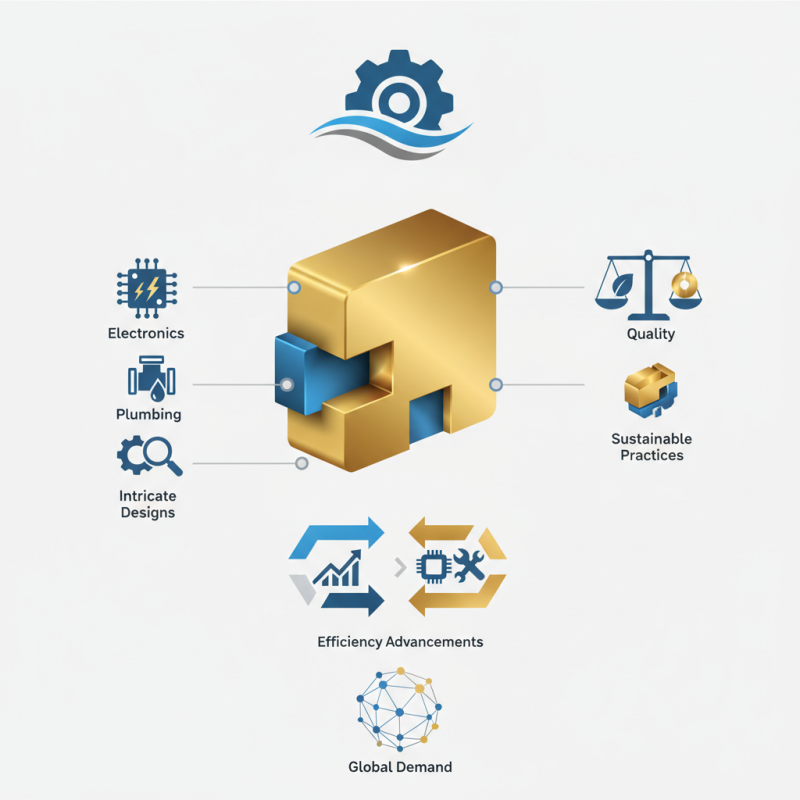
This process allows for intricate designs with tight tolerances. Brass, known for its corrosion resistance and thermal conductivity, is often preferred in applications ranging from electronics to plumbing. Yet, some challenges persist. The machining of brass can produce chips that may affect surface quality. Understanding these nuances is vital.
The future of brass CNC machining holds promise. With advancements in technology, efficiency is set to improve. However, the industry must remain aware of sustainable practices. As brass remains in demand, balancing quality and ecological impact will be key for experts and manufacturers alike.
What is Brass CNC Machining?
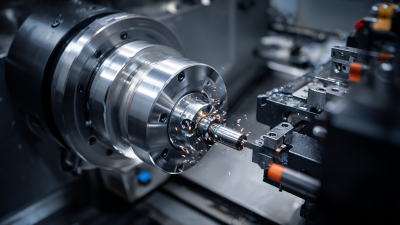
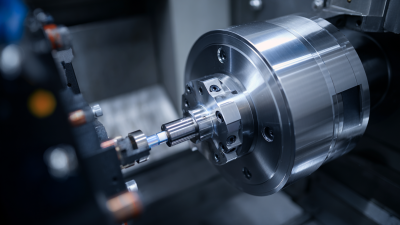
Brass CNC machining is a precise manufacturing process. It employs computer-controlled tools to cut and shape brass. This method creates parts with tight tolerances and complex geometries. The versatility of brass in manufacturing makes it a favored choice for many industries.
Brass has unique properties. It is durable, resistant to corrosion, and offers excellent electrical conductivity. These features make it ideal for electronic components, plumbing fittings, and decorative items. The CNC machining process maximizes these attributes, leading to high-quality products.
Tips: Always evaluate the thickness of your brass parts. Thinner sections can be tricky to machine. This might lead to warping or unwanted defects. Testing different tools on various brass grades can also yield better results. Utilize a consistent feed rate to maintain quality in your finished products.
What is Brass CNC Machining and Why is it Important?
| Property |
Description |
| Material Type |
Brass (Copper-Zinc Alloy) |
| CNC Machining Process |
Computer Numerical Control machining used for precision parts |
| Applications |
Used in plumbing fittings, electrical connectors, and musical instruments |
| Advantages |
Good machinability, corrosion resistance, and aesthetic appeal |
| Importance in Manufacturing |
Ensures high precision and repeatability in part production |
| Typical Tolerances |
Up to ±0.001 inches for high precision applications |
| Surface Finish Options |
Anodizing, plating, or polishing for enhanced appearance |
The Process of CNC Machining Brass Components
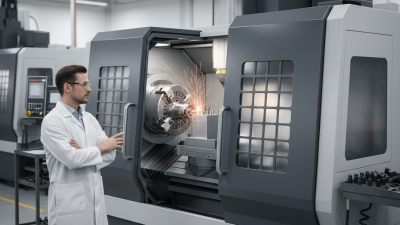
CNC machining of brass components is a precise and efficient method. This process involves using computer-controlled machines to create intricate designs. Brass is known for its excellent machinability, allowing for tight tolerances and complex geometries. Properly machined brass parts can enhance the quality and performance of various applications, from automotive to aerospace.
During the CNC machining process, the choice of tooling and parameters is crucial. Operators must monitor spindle speeds, feed rates, and tool wear. Improper settings can lead to poor finishes or component failure. Attention to detail during programming can prevent costly mistakes.
Tip: Always run a test part before mass production. Adjust settings based on the prototype results to ensure optimal performance.
Another factor to consider is the type of brass alloy used. Different alloys have distinct properties that affect machining and application suitability. While some alloys are easier to machine, others may provide better corrosion resistance. Understanding these differences is essential for choosing the right material for any project.
Tip: Consult metalwork specialists if you're unsure about material selection. Their expertise can greatly assist in making informed decisions.
Benefits of Using Brass in CNC Machining
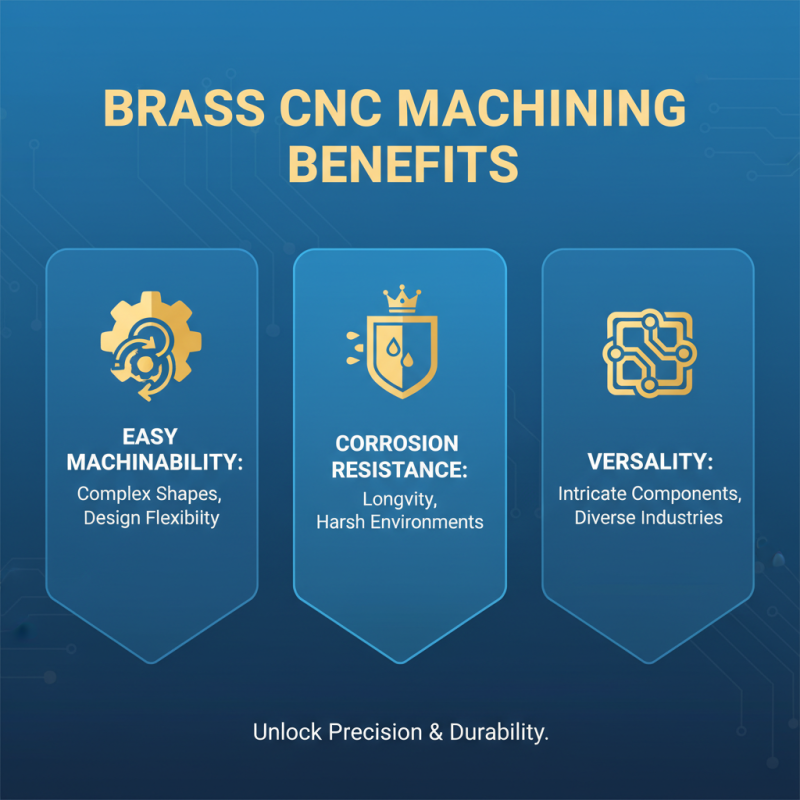
Brass CNC machining is recognized for its myriad benefits in various industries. One standout advantage of brass is its excellent machinability. It easily takes on complex shapes, which allows for greater design flexibility. This attribute makes it a preferred material in the production of intricate components. Additionally, brass exhibits good corrosion resistance, ensuring longevity in applications where environmental conditions might pose a risk.
Another significant benefit of using brass in CNC machining is its aesthetic appeal. The warm, golden hue of brass enhances the visual quality of finished products. Items made from brass stand out, making them popular in decorative applications. Furthermore, brass is an excellent choice for components requiring tight tolerances, ensuring reliability in high-precision tasks.
Tip: When selecting brass for a project, consider the specific alloy type. Different alloys offer varying mechanical properties, affecting performance.
It's essential to avoid overlooking the potential challenges of machining brass. While it offers great advantages, issues like chip formation can arise. Proper tooling and machine settings are crucial. Paying attention to these factors can lead to improved outcomes.
Tip: Regularly monitor the cutting tools used for brass. Worn tools can compromise quality and efficiency.
Applications of Brass CNC Machining in Various Industries
Brass CNC machining plays a crucial role across various industries due to its unique properties. Brass, an alloy of copper and zinc, offers excellent corrosion resistance and machinability, making it perfect for precision components. Recent industry reports show that the demand for brass components is expected to grow by 5% annually. This surge is driven by its use in the automotive, aerospace, and electronics sectors.
In the automotive industry, brass is used for fittings, connectors, and valves. Its durability ensures reliable performance under high-stress conditions. For instance, brass fittings can withstand elevated temperatures and pressures, vital in engine components. In electronics, brass is employed for circuit boards and connectors. The low electrical conductivity of brass enhances signal transmission while minimizing energy loss. According to a study from the International Society of Automation, brass CNC machined components account for over 20% of all electronic device parts.
Despite its advantages, challenges remain. The high cost of brass compared to other metals can deter manufacturers. Additionally, sourcing high-quality brass requires precise monitoring of raw material standards. Ensuring consistency in quality is essential. These factors may impact production timelines and budgets. Fine-tuning processes in brass CNC machining can lead to better efficiency and performance in demanding applications.
Applications of Brass CNC Machining in Various Industries
Factors Influencing Brass CNC Machining Quality and Efficiency
Brass CNC machining is a precise method for shaping brass components. The quality and efficiency of the machining process are influenced by several factors. Understanding these factors is crucial for achieving optimal results in manufacturing.
One key influence is the choice of tools. The type of cutter, its material, and sharpness play significant roles. Dull tools can lead to poor surface finishes and even material waste. Another important aspect is the machining parameters, such as speed and feed rate. Incorrect settings can result in overheating and accelerated tool wear. These issues affect both quality and efficiency.
Setup conditions also matter. Proper fixture alignment ensures stability during the machining process. Any misalignment can cause vibration, leading to inaccuracies. The operator's experience is another vital factor. Skilled machinists can identify problems quickly and make necessary adjustments. However, even the best operators can overlook minor issues, affecting overall output. A focus on these aspects can help enhance brass CNC machining's effectiveness.